
The Art of Rhythmic Gymnastics: Tips for Beginners in Asia
Discover essential tips for beginners diving into rhythmic gymnastics in Asia. From basic skills to top training spots, get started in...
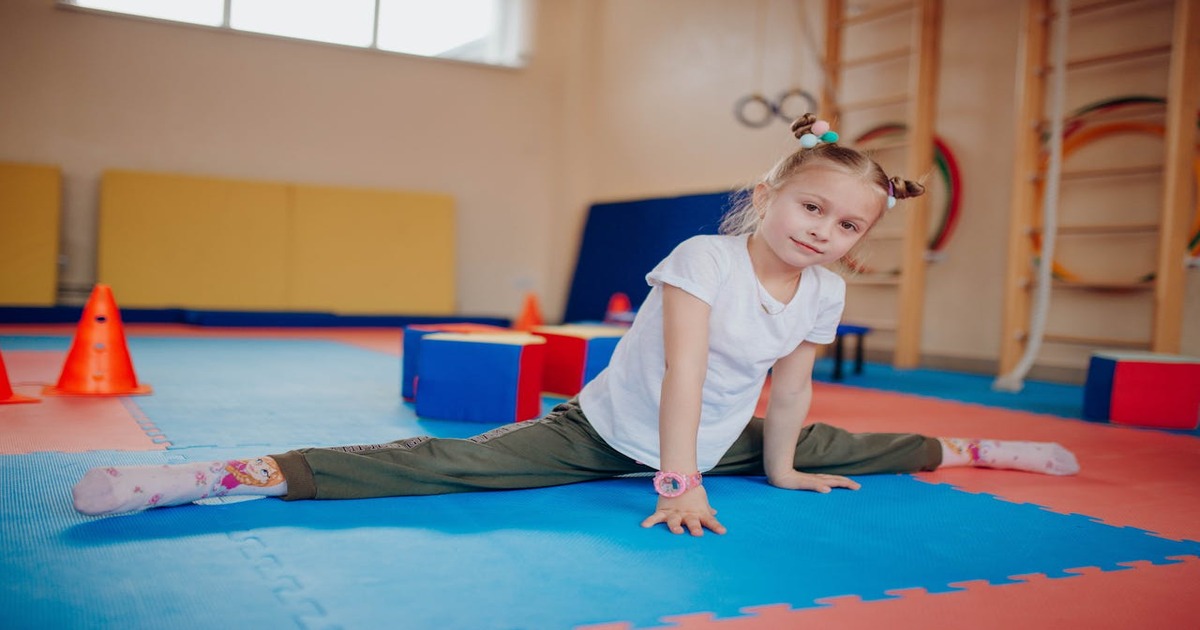
Rhythmic gymnastics mixes grace, strength, and music into one captivating sport. If you’re a beginner in Asia looking to start, you’ve picked a great time. The region boasts growing popularity, with countries like China, Japan, and Uzbekistan leading in competitions. This guide shares practical tips to build your skills, from choosing gear to finding classes. Whether you aim for fun or medals, focus on basics like flexibility and coordination.
What Makes Rhythmic Gymnastics Unique
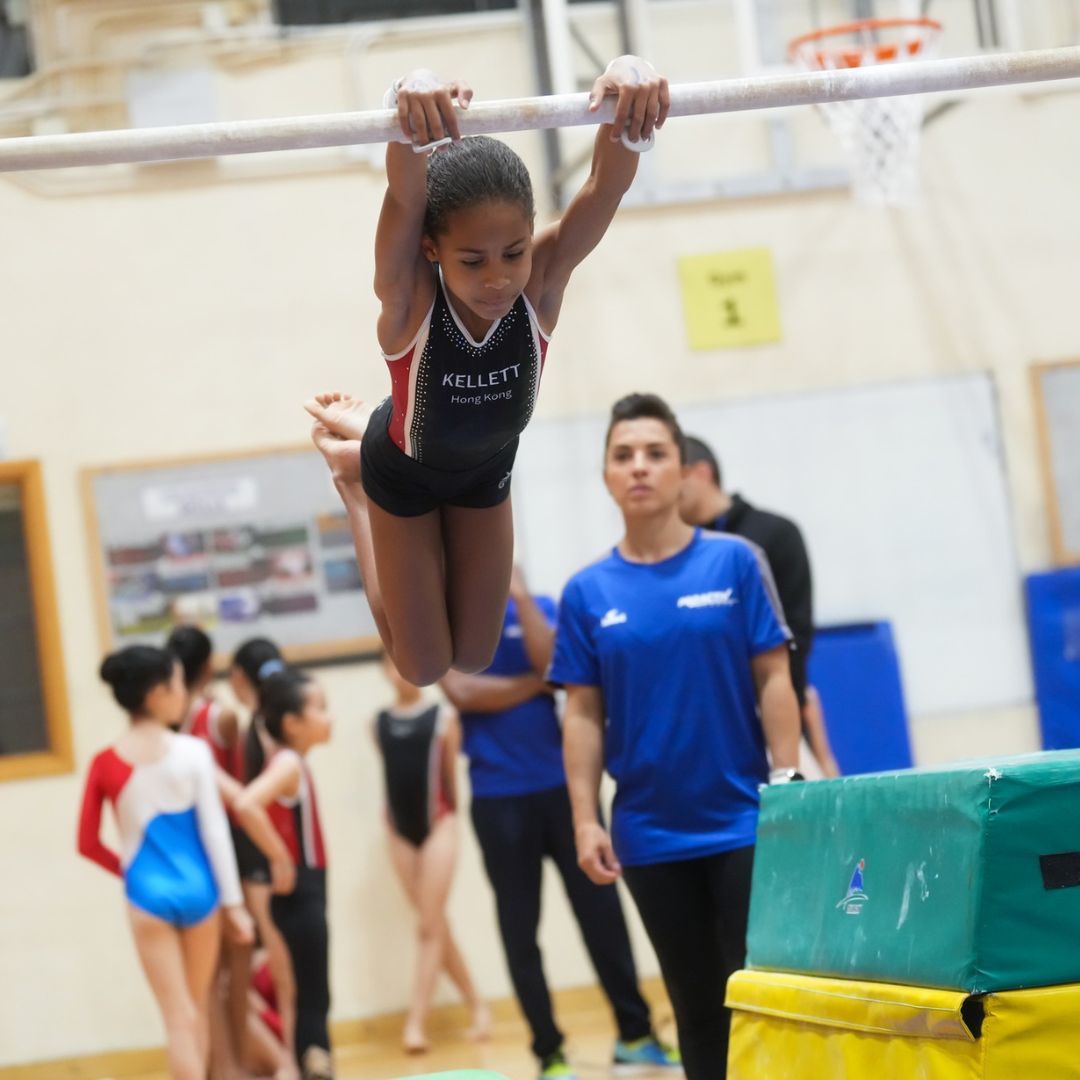
This sport stands out by combining ballet, acrobatics, and handling tools like hoops or ribbons. Unlike artistic gymnastics with flips on bars, rhythmic focuses on fluid moves set to music. Routines last 75 to 90 seconds for individuals, scoring on difficulty, artistry, and execution. Beginners often start with group exercises to build teamwork.
The sport demands high flexibility – think splits and backbends – plus balance and rhythm. It’s mostly for girls, but boys join in some places. In Asia, it’s booming. China has over 10,000 registered athletes, per recent FIG reports. Start young, around age 4 to 6, when bodies are flexible.
Essential Equipment for Starters
You don’t need fancy gear right away. Begin with basics: a mat for floor work, comfortable leotard, and toe shoes or half-soles to grip without slipping.
Key apparatuses include:
- Hoop: Plastic or wood, 80-90 cm diameter for adults, smaller for kids. Weighs at least 300 grams. Practice rolls and throws.
- Ball: Rubber, 18-20 cm wide, 400 grams. Bounce and roll it smoothly.
- Rope: Hemp or synthetic, 2.5-3 meters long. Jump and swing for cardio.
- Clubs: Paired, 40-50 cm, 150 grams each. Juggle and spin.
- Ribbon: Stick with 6-meter satin strip. Create waves and spirals.
For beginners, get affordable sets from brands like Sasaki or Chacott. Cost: $20-50 per item. Always check FIG standards for competitions.
Building Basic Skills Step by Step
Start with body elements before apparatuses. Warm up with stretches: hold a pike sit for 30 seconds, three times daily.
Key skills:
- Balances: Stand on one foot, arms extended, for 10 seconds. Progress to passé position.
- Turns: Practice pivots on toes, spotting a point to avoid dizziness. Aim for full rotations.
- Leaps: Do split jumps, keeping legs straight. Land softly.
- Flexibility: Work on bridges and oversplits. Use a yoga block for support.
Incorporate music early. Dance to beats, syncing moves. Train 3-4 times weekly, 45 minutes each. Track progress in a journal.
Where to Train in Asia
Asia has strong scenes in several countries. Japan hosts top clubs in Tokyo, like Setagaya Academy. China dominates with state-funded programs in Beijing. Singapore shines with spots like Bianka Panova Academy, where kids train from age 4.
In Hong Kong, facilities offer accessible classes. Uzbekistan emerged strong, with athletes like Takhmina Ikromova winning golds.
Look for certified coaches from national federations. Costs: $50-100 monthly for group lessons. Online platforms like YouTube have free tutorials, but in-person beats them for feedback.
Home Practice Routines That Work
No gym? Set up at home. Clear a 4×4 meter space. Use a non-slip mat.
Sample routine:
- 10-minute jog or jump rope for warm-up.
- Stretch legs and back for 15 minutes.
- Practice hoop spins: 20 reps each hand.
- Ball bounces: Catch without dropping, 30 times.
- Cool down with deep breaths.
Build strength via planks (hold 20 seconds) and squats (3 sets of 10). Apps like Gymnastics Workout track routines.
Parents, support by timing sessions or filming for review. Consistency matters more than intensity.
Avoiding Common Beginner Pitfalls
Many newbies rush apparatuses without basics, leading to frustration. Master body control first.
Don’t ignore posture – slouching hurts scores and causes injury. Keep shoulders down, chin up.
Overtraining? Rest days prevent burnout. Signs: sore muscles lasting days.
Poor grip on tools? Use chalk or tape for better hold.
Warm up always; cold muscles tear easily. Hydrate too – drink water every 15 minutes.
Fueling Your Body Right
Eat balanced: proteins like chicken, carbs from rice, veggies for vitamins. Aim 2000-2500 calories daily for active teens.
Snacks: Yogurt with fruits pre-training. Post-session: Banana with peanut butter.
Stay hydrated; dehydration slows reflexes. Supplements? Multivitamins if diet lacks, but consult docs.
In Asia, incorporate local foods: Sushi for omega-3s in Japan, stir-fries in China.
Stepping into Competitions
Once basics click, enter local meets. Start small: Club events in Hong Kong or Singapore nationals.
Prepare: Film routines, get feedback. Focus on clean execution over hard tricks.
Nerves? Breathe deep, visualize success. Competitions build confidence.
In Asia, events like Junior Asians offer paths to worlds. Aim high but enjoy.
ProActiv | Best Rhythmic Gymnastics Program in Hong Kong
What’s ProActiv?
Hong Kong parents have lots of choices for kids’ rhythmic gymnastics, from local clubs to big academies. But ProActiv Sports rises above as the go-to spot for quality and excitement. Started in 2011, we’ve become a favorite in children’s sports, building welcoming spots where beginners shine. Our rhythmic gymnastics program, aimed at ages 5 to 12, mixes dance and tools like ribbons or hoops into lively routines that teach poise and rhythm on soft mats. Our trained staff makes sure each class brings smiles and skill boosts.
What makes ProActiv stand out?
Tiny 1:8 class sizes give focused help, and parents can watch or join for family fun. Sessions happen at our Wan Chai gym or the fresh ProGym Cyberport, set to open August 2025 with 3,000 square feet of bright, equipped areas. Times suit packed days, with options on weekdays and weekends. Fees go from HKD 250 to 550 per class, with bundles for deals and intro trials at HKD 120 from August 15-31, 2025. A 2024 Asia Gymnastics Report notes kids in rhythmic programs show 25% better flexibility than others.
Standout Features and Benefits:
- Grows flexibility with stretches and bends, aiding smooth moves and injury prevention.
- Sharpens coordination using balls and clubs, helping with school sports and daily tasks.
- Lifts confidence, as parents see 30% more boldness in trying new things post-sessions.
- Sparks creativity in group dances, building teamwork and friendships early on.
- Run by certified pros with event backgrounds, keeping lessons safe and custom-fit.
Our Core Services at a Glance:
- Rhythmic Gymnastics Classes: Engaging spots for all levels, fostering grace and strength.
- Sports Camps: Thrilling holiday weeks packed with gymnastics and games for breaks.
- Kids’ Parties: Memorable rhythmic-themed bashes in secure settings.
In Hong Kong’s bustling towers, where play areas are tight, our indoor spots dodge rain issues and provide safe zones for energetic fun. Other areas like Central have classes, but ProActiv’s mix of rhythm, strength, and social vibes makes us unique.
Ready to launch your child’s rhythmic adventure? Sign up for a trial at ProGym Cyberport and discover why families pick ProActiv Sports!
Getting Started with ProActiv Rhythmic Gymnastics
Ready to enroll? Choose a program that suits your beginner’s age and skill. Book a trial to try it out. Wear fitted leotards or stretchy clothes and pack a water bottle. Regular practice counts; go for weekly sessions. Log progress with clips or diaries. In Hong Kong, beat traffic by selecting close venues. We advise kicking off at ProActiv Sports. Our ProGym Cyberport has slots open now.
Sign up for a trial class today and watch your child bloom in rhythm!
Contact Details:
– Contact number: +85263550715
– Cyberport Address: Shop 312, Level 3, Arcade at Cyberport, 100 Cyberport Rd, Pok Fu Lam
FAQ
What age is best to start rhythmic gymnastics in Asia?
Kids often begin at 4-6 years old when flexibility peaks. But teens can start too with dedication. In places like Hong Kong, classes welcome all ages. Focus on fun to stick with it.
How much does rhythmic gymnastics equipment cost for beginners?
Basics like a hoop or ball run $20-50 each. Full set under $200. Shop quality brands for durability. Local gyms in Asia sometimes lend gear to new students.
Are there online resources for rhythmic gymnastics tips in Asia?
Yes, federations like Japan’s offer free videos. YouTube channels from Asian coaches show drills. Pair with in-person classes for best results.
What’s the difference between rhythmic and artistic gymnastics?
Rhythmic uses handheld tools with dance emphasis, while artistic involves apparatus like bars and vaults with tumbling. Both need strength, but rhythmic highlights music and expression.
How can parents support a beginner in rhythmic gymnastics?
Attend classes, encourage practice, and provide balanced meals. Avoid pressure on wins; praise effort. In Asia, join parent groups at local clubs for tips.