
The Importance Of Physical Literacy
Regular physical activity is an essential component to health and wellbeing as an adult, and it is one area that we have complete control over. This component starts at a young age, whereby learning the fundamentals of movement and developing a positive attitude to physical activity and sport, individuals can gain the skills, experiences, and attitudes to take part in physical activity and sport throughout their lives.
According to the World Health Organisation (WHO), every child should be active at a moderate to vigorous intensity for at least 60 minutes PER DAY. Given the positive cognitive effects that physical activity can have; it is imperative that each child is afforded the opportunity to be physically active for both physical performance (in sport) and also cognitive performance (in school).
We aim to develop physical literacy in every child. Physical and Health Education Canada has defined physical literacy as:
“Individuals who are physically literate move with competence and confidence in a wide variety of physical activities in multiple environments that benefit the healthy development of the whole person.”
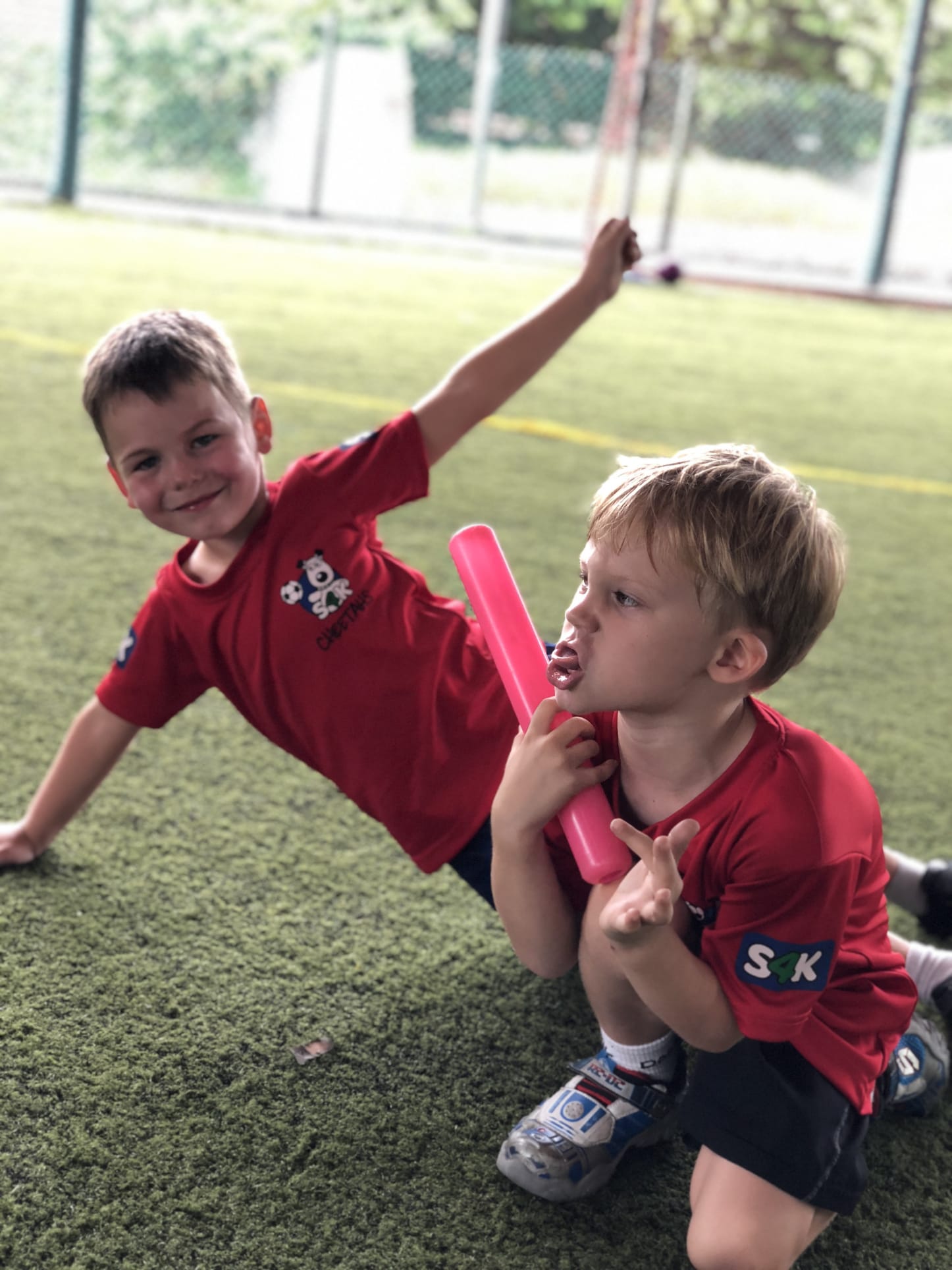
Physical literacy is the foundation block for lifelong involvement in physical activity and sport. There are three stages in the quest for physical literacy:
- Active Start: this phase focuses on providing children with opportunities to participate in physical activity. Active start promotes movement and communication, both with other children and coaches.
- FUNdamental phase: the purpose of this phase is to learn fundamental movement skills, develop social and mental attributes associated with physical activity and to lay foundations for the development of physical literacy. As the name of this phase suggests, there is a huge emphasis on children having fun. We want to see children laughing and smiling while they are developing. If you follow our facebook page, you will be aware that there is nothing brighter than a child’s smile.
- Learning to Play and Practice phase: this is the final part in developing physical literacy and the focus is to learn overall sports skills and specialized movement skills. The FUNdamental emphasis remains throughout and to develop true physical literacy, this is done through a multi-sport approach. Children continue to develop the social and mental attributes associated with physical activity and sport.
From the development of physical literacy, children have the necessary skills and attribute to go on to further develop physically and compete at a high level of sport, but also to remain physically active for the rest of their lives and have a good quality of life. For example, obesity is one of the biggest issues of the current generation worldwide. There are numerous other health complications that can arise as a result of obesity; it is beyond the scope of this article to discuss these complications. Prevention is better than cure and by developing physical literacy in children, we are equipping them with the skills to live a healthy life throughout their childhood and beyond into adulthood.
The environment and culture here in Singapore does not always promote best practice in health and wellbeing terms. We are striving to provide children with a safe and fun environment to develop not only physical literacy but also life skills, to give them the best opportunity to live a life they love.
The Link Between Physical Literacy and Lifelong Health
Physical literacy is not just about learning how to run, jump, or throw. It is directly connected to long-term health and overall well-being. When children acquire the confidence and competence to move, they are more likely to stay active into adulthood. This consistency helps reduce the risk of chronic illnesses such as obesity, diabetes, cardiovascular diseases, and even mental health conditions like anxiety and depression.
Research shows that children who develop strong fundamental movement skills are twice as likely to remain active as adults compared to those who do not. This means that early intervention in schools, sports programs, and community initiatives is critical to building healthier societies. By investing in physical literacy now, we are shaping healthier, happier generations in the future.
Why Schools and Parents Play a Key Role in Physical Literacy
Developing physical literacy is not something that can be achieved in isolation. Both schools and parents have a major role to play in ensuring children get the right environment and encouragement. Schools can incorporate structured physical education programs that focus not only on sports but also on movement fundamentals. Parents, on the other hand, can provide support by encouraging outdoor play, active family activities, and reducing screen time.
The collaboration between schools and families builds a consistent foundation. For example, a child who learns balance and coordination in school may reinforce these skills by cycling with their parents on weekends. This joint effort ensures that children do not view physical activity as a chore, but rather as a natural and enjoyable part of life.
The Cognitive Benefits of Physical Literacy
Beyond physical health, physical literacy also has a direct impact on a child’s brain development. Studies highlight that regular movement enhances concentration, memory, and problem-solving skills. Children who engage in daily physical activity often perform better academically, particularly in subjects that require focus and critical thinking.
Movement stimulates neural pathways that improve learning capacity. For instance, activities that involve coordination and rhythm, like skipping or dancing, strengthen the brain’s ability to process information and adapt quickly. By nurturing physical literacy, educators and parents are not only improving children’s athletic abilities but also boosting their potential for academic success.
Building Social Skills Through Physical Literacy
Physical literacy goes far beyond individual movement. It also supports social development by teaching children teamwork, communication, and leadership. When kids participate in group sports or structured play, they learn how to cooperate, share responsibility, and respect rules. These skills are invaluable not only in sports but also in school, friendships, and future workplaces.
Programs that encourage multi-sport participation often emphasize inclusivity and collaboration. For example, children who play team-based games in Singapore sports programs develop resilience and empathy by interacting with peers from different backgrounds. This makes physical literacy a tool for building stronger communities where children grow into confident, well-rounded adults.
The Future of Physical Literacy in Singapore and Beyond
Where academic achievement is often prioritized, it is crucial to recognize that physical literacy plays an equally vital role in long-term success. Schools, sports academies, and community initiatives are increasingly integrating physical literacy into their programs to combat sedentary lifestyles.
The future of physical literacy lies in a holistic approach, combining education, family support, and accessible community resources. As technology continues to influence daily life, ensuring children remain active will require creative strategies such as gamified fitness programs, interactive sports camps, and school-wide health initiatives. By embracing these opportunities, Singapore can position itself as a leader in promoting health and well-being for younger generations.
FAQ:
1. What is physical literacy and why is it important for kids?
Physical literacy refers to developing the fundamental movement skills (like running, jumping, throwing, and catching) that help children move with confidence in different environments. Building these skills early supports lifelong participation in sports and physical activities. You can learn more about the role of these skills in Fundamental Movement and Sports Skills.
2. How can parents encourage physical literacy at home?
Parents can encourage active play, limit screen time, and introduce children to a variety of sports. Even simple activities like swimming or outdoor play can make a big difference. For inspiration, check out Why Your Child Should Learn to Swim and Get Moving: Is Your Child Getting Enough Physical Activity?.
3. Does physical literacy improve academic performance?
Yes. Research shows that physically active children often perform better academically, as exercise boosts focus, memory, and overall brain health. Sports can also teach discipline and resilience. To explore this connection, read Does Playing Sports Excel Your Kids’ Academic Performance?.
4. What sports best support the development of physical literacy?
A variety of sports that involve running, balance, coordination, and teamwork are ideal. Multi-sports programs are especially effective because they expose children to different movements and skills. Learn more in The Multisport Advantage and Introducing Multi-Sports Programs: What Your Child Will Learn and Gain.
5. How does physical literacy impact long-term health?
Children who develop physical literacy are more likely to stay active as adults, reducing the risk of obesity, diabetes, and other health issues. For example, regular activity can contribute to national health goals, such as Singapore’s efforts in Singapore’s War with Diabetes.