
Best Indoor Playgrounds for Kids in Hong Kong – 2026
Discover the best indoor playgrounds in Hong Kong for kids in 2026. From tech-filled zones to nature-inspired playhouses, find the...
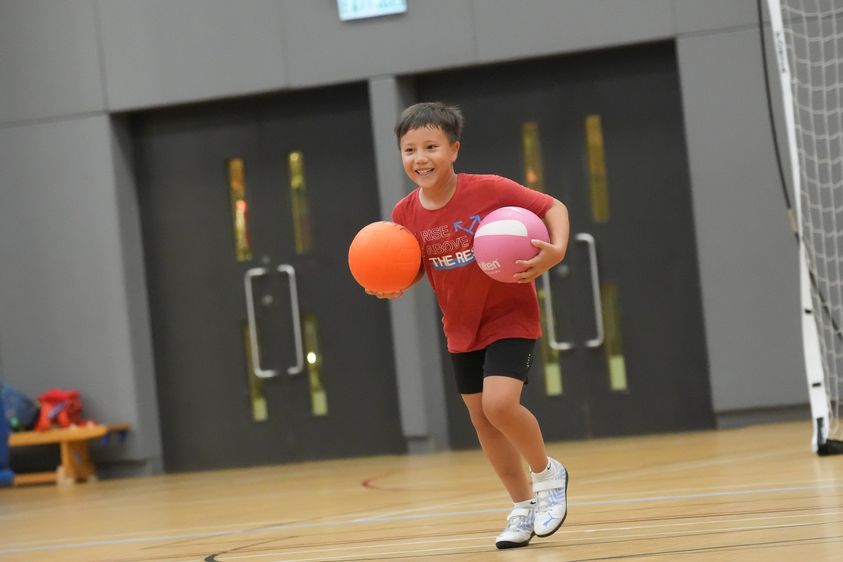
Hong Kong, known for its vibrant culture and unpredictable weather, offers a plethora of indoor playgrounds that cater to children of all ages. These play areas are not just a refuge from the rain or heat but also provide a safe and engaging environment for kids to develop their motor skills, socialize, and have fun. Whether you’re looking for a place to host a birthday party, a spot for after-school activities, or simply a fun day out with the family, Hong Kong’s indoor playgrounds have something for everyone.
Click here to learn more about ProActiv Sports’ programs
Best Indoor Playgrounds in Hong Kong
Here are some of the most popular and exciting indoor playgrounds in Hong Kong:
1) ProActiv Sports
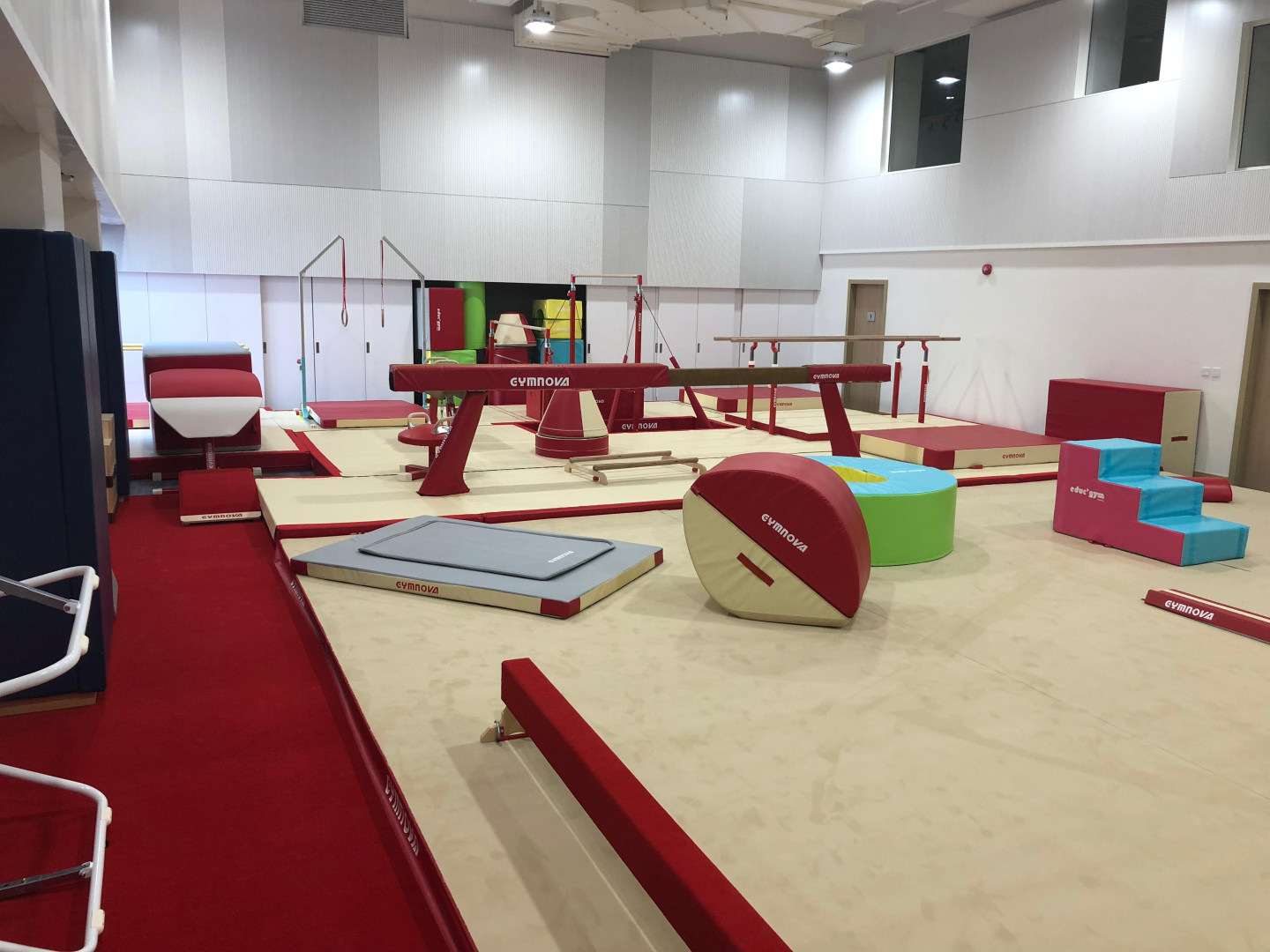
ProActiv Sports, formerly known as Sports4Kids, was founded in Hong Kong in 2011 by Will Murray and David Azar. Both founders have a deep passion for sports, having competed internationally for Ireland and Australia. Their vision is encapsulated in the company tagline: “more than just sports coaching.” They believe that sports play a pivotal role in the overall development of children, helping them grow into healthy, active, and successful adults.
Mission and Expansion
ProActiv Sports aims to be a one-stop sports solution for both kids and adults, making sports experiences as convenient and accessible as possible. They offer professional sports programs designed to help participants reach their full potential and improve their personal development. The company expanded to Singapore in 2014 and Malaysia in 2019, with over 5,000 children and adults participating in their programs across these regions every week.
ProActiv Gym
Located in the vibrant neighborhood of Wan Chai, ProActiv Gym is a state-of-the-art gymnastics facility. It provides a safe and dynamic environment where both children and adults can learn and excel in gymnastics. With expert coaches and cutting-edge equipment, ProActiv Gym ensures growth and development in strength, flexibility, and coordination.
Programs Offered at ProActiv Gym
- Weekly Classes: Suitable for all levels, from beginners to advanced gymnasts.
- Holiday Camps: Action-packed weeks filled with sports, fun, and games.
- Birthday Parties: Exclusive access to the gym for a fun-filled sports-themed party experience.
Gymnastics Programs
ProActiv Gym offers a variety of gymnastics programs tailored to different age groups and skill levels:
- Babies and Toddlers (12 months to 3 years): Early development programs focusing on motor skills.
- Recreational Gymnastics: Beginner, Intermediate, and Boys’ programs.
- Competitive Artistic Gymnastics: For those aiming to excel in competitions.
- Rhythmic Gymnastics: Beginner and Intermediate levels.
- Adults: Programs for all skill levels.
- Acrobatics & Cheer: For children aged 10 and above.
Holiday Camps
The gymnastics holiday camps at ProActiv Gym are designed to challenge, inspire, and develop children’s love for gymnastics. These camps offer a safe and engaging environment where children can learn, develop, and have fun during school holidays.
Likely for ages 3-15, offering beginner to advanced training on bars, beam, floor, and more to build skills and confidence.
For ages 8+, a 4-day program with gymnastics and mandarin classes, including hotel stay and meals.
For ages 3-14, with a mix of sports, games, and teamwork activities, split into age groups (3-6 and 7-14).
-Discover more → Click here
Partnerships and Community Engagement
ProActiv Sports carefully selects partners who share their vision and values. They offer discounts and rewards to their members through these partnerships, fostering a community that supports healthy and active lifestyles.
Click here to learn more about ProActiv Sports’ programs
2) Sooper Yoo Sports Zone
- Features: This 10,000 square feet indoor play zone combines physical activity with interactive technology, offering experiences like a multi-level scramble course and high-tech soccer games.
- Age Range: Suitable for children aged 4 and above.
3) Playdot
- Features: Nature-inspired with a forest garden theme, perfect for sensory play.
- Age Range: Ideal for younger children.
4) Real Expert Play Fun Zone
- Features: Includes racing tracks, ball pits, mini kitchen, and more.
- Age Range: Suitable for kids of various ages.
5) Super Sports Park
- Features: Offers giant slides, sports courts, trampolines, and climbing walls.
- Age Range: Suitable for kids and teens.
6) Kiddoland Playpark
- Features: Compact space with trampolines, ball pits, and soft play areas.
- Age Range: Ideal for younger children.
7) Childlike Play Park
- Age Range: Suitable for kids who enjoy role-playing.
8) Kingdom
- Features: Inflatable castle, two-story rope obstacle, and dinosaur ride area.
- Age Range: Designed for toddlers and young kids.
9) Epicland
- Features: Large slides, air-trek obstacle course, and laser tag.
- Age Range: Suitable for kids of all ages.
10) Kiztopia
- Features: Mega climbing area, Drago Bouncy Castle, and Occupational Experience Zones.
- Age Range: Ideal for children aged 2-10.
11) The Big Things
- Features: Nature-themed playground for children aged 2 to 8.
- Age Range: Suitable for younger children.
12) LEGOLAND Discovery Centre
- Features: LEGO-themed indoor attraction with 10 play zones, including Minifigure World (miniature Hong Kong landmarks), Castle Adventure, Magic Turntable, LEGO Racetrack, and creative workshops for building with LEGO bricks. Also offers birthday parties, school trips, and seasonal events like Christmas-themed activities.
- Age Range: Primarily for children aged 2-11 (children must be accompanied by an adult).
13) Ryze Trampoline Park
- Features: High-energy trampoline park with extreme jumping areas, foam pits, and dodgeball courts. Includes options for birthday parties, annual passes for regular access, and elite memberships with perks like discounts and unlimited weekday jumps.
- Age Range: Suitable for all ages, with waivers required for participants under 18; toddlers and young kids can participate with supervision.
14) Jumpin’ Gym
- Features: Multi-level indoor playground with game stations, rock climbing walls, soft play areas, ball pits, slides, and themed zones. Multiple locations across Hong Kong for convenience.
- Age Range: Catered to toddlers, young children, and older kids up to teens, with areas separated by age and skill level.
15) Wonder Valley
- Features: Imaginative play space with ball pits, climbing structures, storybook-themed zones including pirate ships and fairy tale castles for creative role-playing.
- Age Range: Ideal for children aged 2-12, focusing on sensory and adventurous play.
16) Baumhaus
- Features: Treehouse-inspired indoor playroom with soft play elements, sensory activities, and classes for early development.
- Age Range: Best for babies and toddlers up to age 5.
17) Verm City
- Features: Climbing-focused indoor playground with walls, gyms, and obstacle courses to build physical skills and confidence.
- Age Range: Suitable for children aged 4 and up, including teens.
18) Wise Kids Playroom
- Features: Combined toy store and play area with interactive toys, educational games, and soft play zones.
- Age Range: Geared toward children aged 1-8.
19) Donut Playhouse
- Features: Fun indoor space featuring a giant slide, ball pools, and themed play areas for active exploration.
- Age Range: Ideal for kids aged 2-10.
20) Runningkids Playhouse
- Features: Dynamic playground with ball pools, slides, trampolines, sand areas, and a mini race course for high-energy play.
- Age Range: Suitable for children aged 3-12.
21) Cube O Discovery Park
- Features: Interactive underwater-themed playroom with educational elements, slides, and sensory experiences.
- Age Range: Best for kids aged 2-9.
Why Indoor Playgrounds Are Great for Kids in Hong Kong?
Indoor playgrounds are a perfect solution for Hong Kong’s hot, rainy, and humid weather, giving kids a safe place to play all year round without parents worrying about outdoor conditions. They offer soft play structures, climbing frames, trampolines, and themed areas that help children burn energy, build strength, and improve coordination in a fun way. Many indoor centres are also designed with child safety in mind, using padded flooring, age-appropriate equipment, and clear play zones. Beyond physical benefits, these spaces encourage social interaction, teamwork, and sharing as kids meet new friends and play together. For busy Hong Kong families, indoor playgrounds also provide a convenient way to combine playtime, learning, and bonding in one easy outing.
Key Benefits of Visiting Indoor Play Areas for Families
Indoor play areas give families a stress-free environment where children can be active while parents relax, work, or watch nearby. They are ideal for siblings of different ages because many venues offer zones for toddlers, young kids, and older children under one roof. This makes it easier to plan family outings and reduces the need to visit multiple locations. Parents also appreciate the added facilities such as seating areas, Wi‑Fi, cafés, and changing rooms, which make longer visits more comfortable. Regular visits help kids develop routines around physical activity, which supports healthier habits and better sleep.
Age-Appropriate Indoor Play Options for Babies, Toddlers, and Teens
The best indoor playgrounds in Hong Kong usually offer clearly defined zones tailored to different age groups so everyone can play safely. Babies and young toddlers often have soft play corners with sensory toys, mini slides, and padded mats where they can crawl, balance, and explore at their own pace. Preschoolers and younger children might enjoy ball pits, mini climbing walls, pretend-play houses, and gentle obstacle courses that spark imagination and motor-skill development. Older kids and teens tend to prefer trampolines, larger climbing structures, sports courts, ninja-style obstacle courses, or tech-based games that feel more challenging. When a venue caters to all ages, it becomes a go-to choice for families with children at different stages.
Tips for Choosing a Safe and Convenient Indoor Playground in Hong Kong
When choosing an indoor playground, start by checking whether the activities match your child’s age, confidence level, and personality (active, cautious, social, etc.). Look for visible safety features such as padded flooring, secure gates, staff presence on the play floor, and clear rules about age and height limits for each area. It’s also wise to read recent reviews or check photos to see how clean and well-maintained the venue is, especially high-touch areas like ball pits, slides, and toilets. Consider the location and access: being near an MTR station, mall, or parking makes visits easier, especially with strollers or multiple kids. Finally, compare pricing, time limits, and membership or package options to find a playground that fits your budget and how often you plan to visit.
Holiday Camps, Parties, and Extra Activities You Can Find at Indoor Playgrounds
Many indoor playgrounds in Hong Kong now offer much more than open play, giving parents flexible options for holidays and special occasions. During school breaks, venues often run holiday camps that combine sports, games, arts and crafts, and basic skills like teamwork or coordination in a structured schedule. Indoor centres are also popular birthday party venues, with packages that may include private playtime, hosts or coaches, decorations, food, and party rooms. Some locations add extra activities such as themed workshops, parent–child classes, story time, or seasonal events for Christmas, Chinese New Year, and summer. Choosing a playground that offers camps, parties, and programs can turn it into a long-term hub for your child’s play, learning, and celebrations.
Choosing the Right Playground
When selecting an indoor playground, consider factors such as:
- Age and Interests: Ensure the playground offers activities suitable for your child’s age and interests.
- Safety Measures: Look for playgrounds with clear safety guidelines and equipment.
- Location: Choose a playground that is conveniently located for you.
- Facilities: Consider if they offer amenities like food, rest areas, and party services.
Hong Kong’s indoor playgrounds offer a vibrant and engaging way for children to stay active and entertained, regardless of the weather. Whether you’re a parent seeking a fun day out or a venue for a birthday party, these playgrounds have something for everyone.
The Importance of Holiday Camps for Child Development
Year-end camps in Singapore are more than just a way to keep kids busy during school breaks. They play a critical role in children’s overall development by combining fun with structured learning opportunities. These camps encourage children to step outside their comfort zones, explore new passions, and develop essential life skills. From teamwork in sports to creativity in arts and crafts, every activity helps children build resilience, confidence, and independence. Parents also value that holiday camps provide a safe and nurturing environment where kids can grow socially and emotionally while making new friends.
Learning Through Play: A Core Philosophy of Year-End Camps
One of the defining features of year-end camps is the emphasis on learning through play. Research shows that children learn best when they are actively engaged and having fun, which is exactly what these camps provide. Activities like team-building games, STEM projects, cooking classes, and outdoor adventures are designed to stimulate curiosity while keeping kids entertained. This approach ensures that children not only gain new knowledge but also develop problem-solving skills, creativity, and adaptability. By combining structured lessons with playful exploration, camps in Singapore create an ideal learning atmosphere that feels exciting rather than overwhelming.
How Camps Build Social and Emotional Skills
For many children, attending a year-end camp is their first experience being part of a larger community outside of school. Camps offer an inclusive environment where kids interact with peers from diverse backgrounds, which promotes cultural awareness and empathy. Activities that require teamwork, such as sports matches, group art projects, or coding challenges, help children strengthen communication and collaboration skills. Emotional growth also comes from overcoming small challenges, like presenting a group project or completing an outdoor survival activity. These experiences translate into improved confidence, self-esteem, and resilience that stay with children long after the holiday season.
Balancing Fun and Education in Holiday Programs
Parents in Singapore often look for camps that strike the right balance between fun and education. A successful camp provides engaging activities that children genuinely enjoy while also reinforcing valuable academic or developmental goals. For example, STEM camps may include playful robotics competitions, while cooking camps teach cultural awareness through international recipes. Outdoor adventure programs combine physical exercise with lessons about nature and sustainability. By blending enjoyment with learning, year-end camps ensure that children return to school not only refreshed but also with new skills and knowledge that complement their academic journey.
FAQ:
1. What makes year-end camps different from other holiday camps in Singapore?
Year-end camps often combine festive celebrations with sports, games, and learning opportunities, giving children a unique mix of fun and education. Unlike regular holiday camps in Singapore, these programs focus on closing the year on a high note, helping kids build memories and friendships that last.
2. Are year-end camps suitable for children of all ages?
Yes, most year-end camps are designed for children of different age groups. Activities are tailored to match skill levels, ensuring everyone stays engaged. Parents who want options for younger kids may also consider multi-sports programs in Singapore to introduce variety before joining a full holiday camp.
3. How do year-end camps benefit my child’s development?
Beyond fun, camps help kids build teamwork, resilience, and independence. Research shows that children engaged in sports and outdoor activities develop stronger social skills. If you want to see this in action, explore how sports help children build strong social skills.
4. What types of activities are included in year-end camps?
Typical year-end camps feature sports, team challenges, creative workshops, and festive games. For example, programs may include swimming, football, or tennis—similar to those offered in multi-sport advantage programs, which are designed to boost both fitness and confidence.
5. How can I ensure my child stays healthy and active during camp?
Parents should make sure children are well-rested and hydrated. Camps usually encourage healthy routines, and you can prepare by checking our hydration tips and guides on healthy eating for kids and family. These small steps can make a big difference in your child’s camp experience.
6. When should I book a year-end camp for my child?
Spots fill up quickly, especially during festive seasons. It’s best to secure a place a few months ahead. Families who plan in advance often explore other school breaks too, like summer camps in Singapore or Easter holiday camps for a full-year schedule of engaging activities.
7. What should my child bring to a year-end camp?
Most camps provide all essential sports equipment, but children should come with comfortable clothing, a water bottle, healthy snacks, sunscreen, and a change of clothes. Packing a small towel and proper sports shoes can also help your child participate safely in a wide range of activities.
8) Do year-end camps offer both indoor and outdoor activities?
Yes, many year-end camps combine indoor learning sessions with outdoor sports and games. This balance keeps children engaged, allows them to move freely, and ensures programs continue even in unpredictable weather conditions common in Singapore.
9) How long do year-end camps usually last?
Duration varies. Some camps run for half days, while others offer full-day or multi-day programs. Parents can choose based on their schedule and their child’s comfort level. Many families start with shorter programs before progressing to longer holiday camps.
10) Are the instructors at year-end camps trained to work with children?
Most camps employ trained coaches and facilitators with experience in early childhood development, sports coaching, or education. These professionals are skilled in managing different personality types, keeping children motivated, and ensuring safety throughout the program.
11) What safety measures do year-end camps follow?
Camps typically implement strict safety protocols, including trained first-aid staff, safe equipment checks, hydration reminders, and age-appropriate activity stations. Parents can also ask about staff-to-student ratios to ensure each child receives adequate supervision.
12) Can shy or introverted children thrive in year-end camps?
Absolutely. Camps are structured to encourage gentle participation, teamwork, and confidence-building through group-based activities. Shy children often benefit from smaller groups, supportive instructors, and a positive environment that helps them connect socially at their own pace.
13) Do year-end camps help children stay active during the school holidays?
Yes, these camps are specifically designed to keep kids moving during the break. Through sports, adventure games, and active play, children stay physically engaged while enjoying time away from screens and academic routines.
14) Are meals or snacks provided at year-end camps?
This depends on the program. Some camps include snacks or lunch, while others require children to bring their own. Parents should check the camp’s guidelines, especially for children with dietary restrictions or food allergies.
15) How do year-end camps support learning outside the classroom?
Many camps include hands-on workshops, problem-solving games, and creative challenges that build cognitive skills. Through structured play and guided activities, children develop independence, focus, and practical life skills that complement academic learning.