
Parent-Assisted or Independent Toddler Gymnastics?
Understand parent-assisted and independent toddler gymnastics in Hong Kong, including participation rules and questions to ask before a trial.
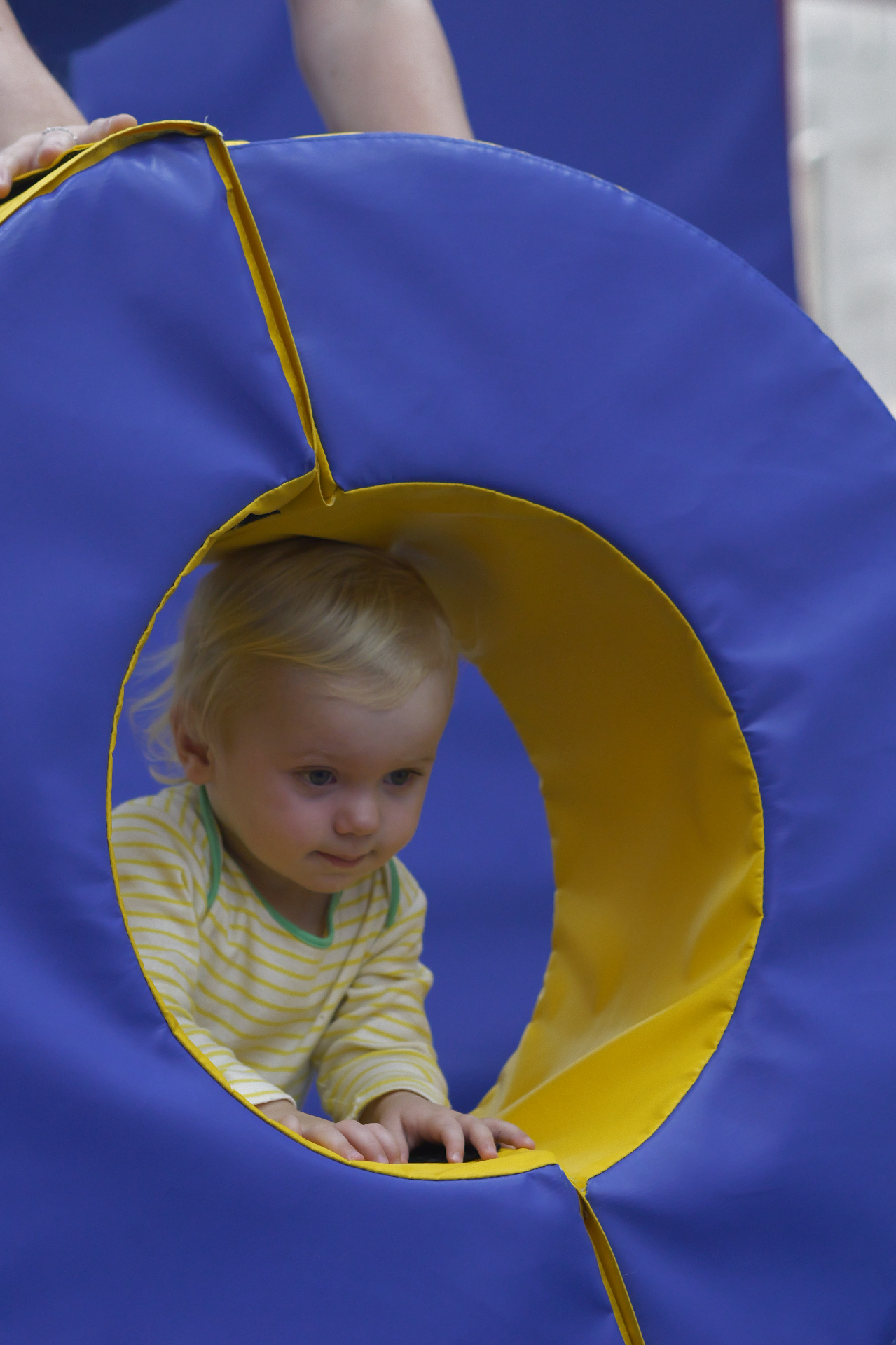
The key difference between parent-assisted and independent toddler gymnastics is the adult’s role during the class. Before booking, ask who stays on the floor, how a child is supported when settling in, and how the group is chosen. Age helps guide placement, but the programme’s actual participation rules matter most for ensuring your child has a positive and confident start.
At ProActiv Sports, our babies and toddlers gymnastics programme is designed to build movement confidence on real, child-sized apparatus. Understanding the class format is the first step in finding the right fit for your family.
Parent-Assisted vs. Independent: Understanding the Role
Most toddler gymnastics programmes begin with a parent-assisted format. This means a parent or carer is on the gym floor with their child, actively participating in the session. Your role is to provide encouragement, help your toddler understand the coach’s instructions, and offer a familiar hand for support as they explore new equipment like low beams, soft-play shapes, and mini-bars. It's a wonderful way to bond and share their first structured group experience.
Independent classes mark a significant step in a child's gymnastics journey. In this format, children enter the gym and participate in the class led solely by the coaches, with parent viewing arrangements set by the venue. This fosters independence, builds trust with the coach, and prepares them for more structured recreational gymnastics programmes.
How Age and Readiness Guide Group Placement
Age is the primary guide for placing children in the right group. Our programme is structured into progressive age bands:
- 12–24 months: A gentle, parent-and-child introduction to movement for crawlers and new walkers.
- 2 years: Toddlers work on balance, listening skills, and body awareness, still with a parent present for support and encouragement.
- 3 years: This class is designed as the bridge to Recreational Gymnastics. Confirm the class placement and caregiver arrangements with the team; age three does not by itself confirm an independent session.
While age provides a clear structure, coaches also consider a child's individual readiness. The transition to an independent class is a big milestone. Because participation rules can vary between classes and venues, it's always a good idea to confirm the exact format for the session you're interested in.
Checklist: Key Questions for Your Gymnastics Provider
Before you book a trial or enrol for a term, having clear information helps you and your child feel prepared. Use this checklist to ask the right questions.
| Topic | Question to Ask |
|---|---|
| Participation | Is this class parent-assisted or independent? |
| Transition | At what age do children typically move to an independent group? |
| Grouping | How are children grouped—strictly by age, or by readiness too? |
| Settling In | What is the process if my child is nervous about joining without me? |
| Logistics | Can we book a single trial class to see if it's a good fit? |
| Communication | What is the best way to share information about my child's needs with the coach? |
Planning for a Smooth Transition
When your child is ready for an independent class, a little preparation can make the transition feel smooth and exciting. Talk to your child about what to expect: explain that you'll be watching from the side while they have fun with the coaches and other children.
On the day, arrive a few minutes early to help them settle in without feeling rushed. Keep your goodbye brief and positive, reassuring them that you’ll be there to see all the amazing things they do. This helps build their confidence and trust in the new environment. Our gymnastics-trained coaches are experienced in helping children feel welcome and supported from their very first independent class.
Trying a Class at a Hong Kong ProGym Venue
One of the best ways to know if a class is right for your toddler is to try it. Booking a trial session allows your child to experience the gym, meet a coach, and see the format firsthand without the pressure of committing to a full term. It also gives you a chance to observe the class dynamic and ask any final questions.
Our toddler sessions run at purpose-built facilities including ProGym Wan Chai venue details and ProGym Cyberport, which are equipped with child-sized apparatus designed for building foundational skills in a safe, engaging way.
Ready to find the right gymnastics class for your toddler? Explore our programme details to see current age groups, schedules, and locations across Hong Kong.
Questions parents ask
Does a parent need to stay during toddler gymnastics?
Yes, our Babies & Toddlers programme for the younger age groups is a parent-and-child format where a carer stays on the floor. As children approach age three, some classes transition to an independent, coach-led format to prepare them for recreational gymnastics. It is always best to confirm the participation rule for your specific class before booking.
Can a child try a class before moving groups?
Absolutely. We encourage parents to book a trial class. It’s an ideal way for you and your child to experience the class format, meet the coaches, and ensure the group is a good fit before enrolling for the term.
What should I tell the coach before the first session?
It’s helpful for coaches to know a little about your child. Consider sharing anything about their personality (e.g., shy or outgoing), previous experiences in group settings, or any specific anxieties they might have about separating from you. This information helps our coaches provide the best possible support from day one.