
The Benefits of Team Sports vs. Individual Sports: What’s Best for Your Child?
Choosing between team sports and individual sports for your child can be a challenging decision. Each path offers unique benefits that can shape your child's development, personality, and skills. Understanding these benefits can help you guide your child toward the right fit for their interests and
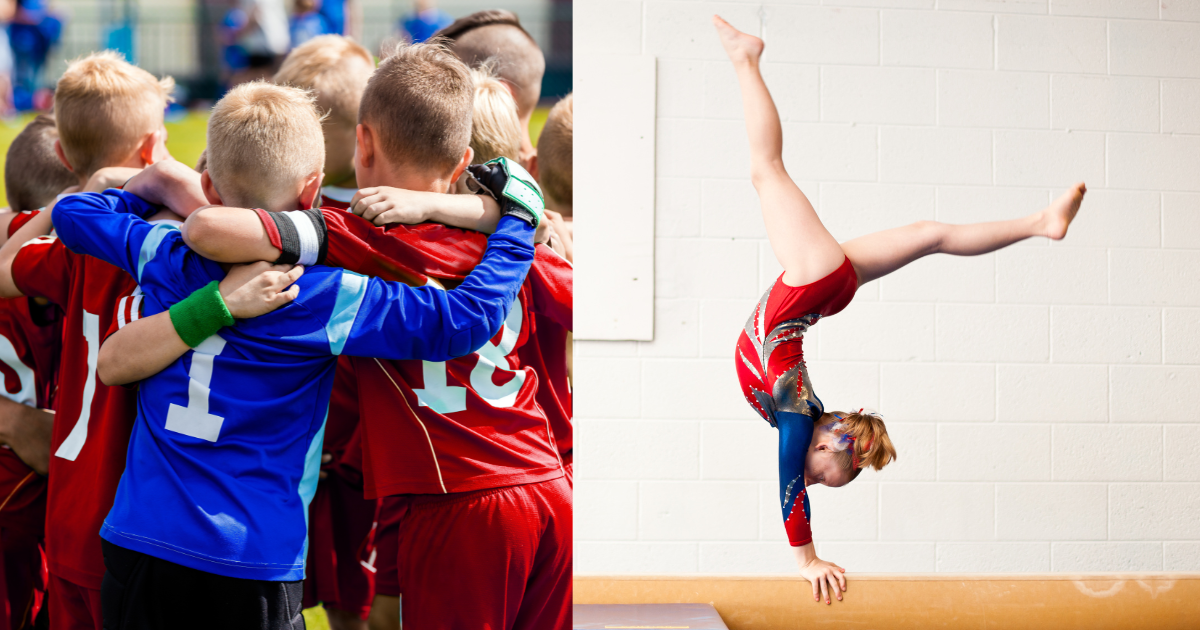
When it comes to nurturing your child’s athletic journey, the choice between team sports and individual sports is a significant one. Each option comes with its own set of benefits and challenges, impacting not only your child’s physical development but also their social skills, emotional growth, and overall happiness. Understanding the pros and cons of each can help you make an informed decision that aligns with your child’s personality and skills.
The Advantages of Team Sports
Team sports provide a rich environment for children to learn essential life skills. Participating in activities like soccer, basketball, or floorball encourages collaboration, communication, and friendship. Kids who engage in team sports learn how to work together towards a common goal, fostering a sense of belonging and teamwork.
Additionally, being part of a team can enhance your child’s social skills. The camaraderie formed in team settings helps children develop friendships and build a support network. They learn to celebrate each other’s successes and navigate challenges together, teaching them valuable lessons in empathy and resilience.
The structured nature of team sports also promotes discipline and time management. Regular practices and games instill a sense of commitment, encouraging children to balance their time effectively between sports, school, and other activities.
The Advantages of Individual Sports
On the other hand, individual sports, such as swimming, gymnastics, or martial arts, offer unique benefits that cater to personal development. In these sports, children learn to take full responsibility for their performance. This independence fosters self-discipline, determination, and a strong work ethic, as they push themselves to achieve their personal best.
Individual sports also provide tailored training opportunities, allowing children to focus on their specific strengths and weaknesses. This personalised approach can lead to faster skill development and a greater sense of accomplishment. The thrill of setting and achieving personal goals can boost a child’s confidence and motivation.
Furthermore, individual sports often cultivate a strong sense of self-reliance. Children learn to handle pressure independently and develop coping strategies that can benefit them in various aspects of life.
Finding the Right Fit
Choosing the right type of sport for your child involves more than just considering their personality and preferences. Experts recommend a holistic approach that takes into account various developmental factors, including physical abilities, social skills, and emotional resilience.
1. Developmental Readiness: Assess your child’s physical capabilities—such as coordination, balance, and stamina—and match these with the demands of the sport. For example, younger children may benefit from team sports that emphasise play and social interaction, while older kids might thrive in individual sports that challenge their physical and mental resilience.
2. Social Dynamics: It’s important to observe how your child interacts with peers in group settings. Some children may be more comfortable in a team environment where they can learn from others, while others may prefer the focus and independence of individual sports. Experts suggest encouraging kids to participate in various sports to see where they feel most engaged and successful.
**3. Emotional Intelligence:**Understanding how your child handles pressure, feedback, and competition is crucial. Individual sports can teach kids to manage their emotions independently, while team sports offer opportunities to learn how to navigate social dynamics and support one another through highs and lows.
4. Long-term Engagement: Early exposure to diverse sports can foster a lifelong love for physical activity. Encourage your child to try both team and individual sports in their formative years. This exposure can lead to increased enjoyment and a better understanding of their interests as they grow, ultimately helping them make more informed choices about their athletic pursuits.
5. Consultation with Coaches and Trainers: Seek advice from coaches who can provide insight into your child’s abilities and potential. They can assess your child’s skills in different sports and help identify where they might excel. Engaging with professionals can give you a clearer picture of how your child can thrive in either setting.
Preparing for Success in Sports
No matter which path your child chooses, fundamental movement skills are essential for success. At ProActiv Sports, our Fundamental Movement Skills (FMS) programs are designed to equip children with the core abilities they need to excel in any sport they pursue. Our expert coaches focus on building confidence, coordination, and strength, setting children up for future athletic success.
To help determine the best starting point, we offer comprehensive skill assessments. These assessments allow us to tailor our approach to each child’s unique strengths and needs, ensuring they receive the guidance and support that will best develop their skills.
The Role of Sports in Building Character
Sports are not only about physical development; they also shape a child’s values and worldview. Whether in team or individual disciplines, children learn important lessons about responsibility, resilience, and integrity. For example, winning with humility and losing with grace are skills that benefit them far beyond the sports field. Team sports highlight cooperation and shared goals, while individual sports emphasize accountability and self-motivation. Both paths ultimately teach perseverance, self-control, and the ability to stay focused under pressure.
By engaging in regular sports, children begin to understand that success requires effort and discipline. This character formation contributes positively to their academic performance, social relationships, and even future career readiness.
Physical and Mental Health Benefits
The choice between team and individual sports also plays a crucial role in overall health. Team sports often involve dynamic movement, cardiovascular endurance, and high-energy training sessions that keep children active and healthy. Individual sports, on the other hand, allow for focused skill development and can reduce stress levels through repetitive, mindful practice, such as swimming laps or perfecting a gymnastics routine.
Research consistently shows that children involved in sports enjoy better mental health. They are less likely to suffer from anxiety or depression and more likely to build positive self-esteem. Whether running alongside teammates or training alone, sports foster a release of endorphins that supports emotional balance and reduces stress.
Life Skills Gained from Both Sport Types
Team and individual sports prepare children for the challenges of adult life in different but complementary ways. Team sports teach conflict resolution, leadership, and adaptability, skills needed when working in groups later in life. Children learn how to communicate effectively, compromise, and manage diverse personalities.
Individual sports, meanwhile, enhance self-reliance and goal-setting abilities. Young athletes gain confidence by knowing that their progress depends on their own effort and determination. This independence helps them set personal milestones, measure their own growth, and celebrate individual achievements. Together, these life skills prepare children to navigate academic pressures, professional environments, and personal relationships with resilience.
Balancing Sports with Academics and Other Activities
Parents often worry about how sports will fit into a child’s busy schedule. Striking the right balance between athletics, academics, and leisure time is essential. Team sports usually require fixed practice times and game schedules, helping children learn structure and time management. Individual sports can be more flexible, allowing families to adjust training sessions around schoolwork and personal commitments.
When managed well, sports actually complement academic success. The discipline gained from athletic training often translates into improved concentration and study habits. Children who balance both areas tend to develop strong organizational skills, which serve them well throughout their education.
Encouraging a Lifelong Love of Movement
Perhaps the most valuable outcome of sports participation is fostering a lifelong passion for physical activity. Introducing children to both team and individual sports during their formative years ensures they explore different options and discover what excites them most. Some may grow into competitive athletes, while others may simply enjoy staying active as part of a healthy lifestyle.
By allowing children to explore both settings, parents increase the likelihood that their child will remain engaged in fitness well into adulthood. Whether through community leagues, recreational swimming, or casual runs with friends, the joy of movement becomes a habit that contributes to long-term well-being.
FAQ:
1. Are team sports better for building social skills than individual sports?
Yes, team sports are often more effective for developing social skills because children learn teamwork, communication, and cooperation. For example, playing in a football or basketball team encourages kids to interact and work toward a common goal. If you’d like to explore more on this topic, check out our guide on Sports Help Children Build Strong Social Skills.
2. Do individual sports still help children build confidence?
Absolutely. Sports like tennis, swimming, or martial arts allow kids to take ownership of their progress and achievements. This sense of independence helps build resilience and confidence. Discover how Playing Multiple Sports Builds Smarter Kids can also support your child’s overall growth.
3. Which type of sport improves academic performance more: team or individual?
Both can make a difference, but in different ways. Team sports foster discipline and time management, while individual sports enhance focus and perseverance. Together, these qualities can positively impact academic results. To dive deeper, read our article on Does Playing Sports Excel Your Kid’s Academic Performance?.
4. How do I choose between team and individual sports for my child?
Consider your child’s personality, interests, and physical abilities. Some kids thrive in social, group settings, while others excel when they can focus on personal improvement. For guidance, explore our article on Choosing a Sport for Your Child.
5. Can mixing team and individual sports benefit children?
Yes, combining both offers the best of both worlds. Team sports build social and collaborative skills, while individual sports develop self-discipline and mental strength. This balanced approach is similar to the philosophy behind our Multi-Sports Programs, where kids gain diverse skills across multiple disciplines.
Ready to set your child on the path to success in sports? Enrol them in our FMS programs today and help them build the foundation they need for any athletic endeavour! The term runs from Oct 21st – Dec 21st. Join a trial class for only $19.