
Recreational or Competitive Gymnastics: Choosing a Path
Compare recreational and competitive gymnastics in Hong Kong by goals, assessment and commitment, with questions for your child and coach.
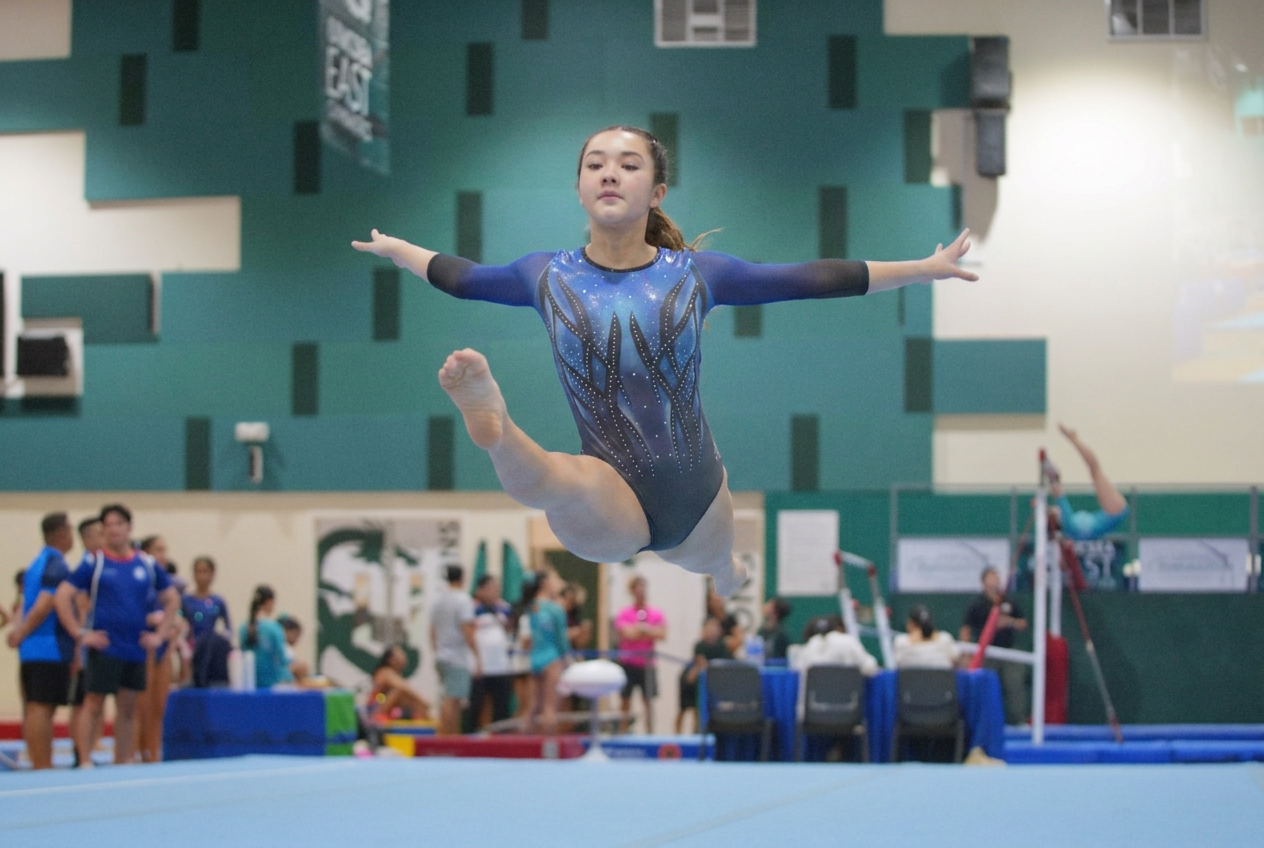
Recreational and competitive gymnastics can both be worthwhile choices for your child in Hong Kong, each offering unique benefits and experiences. The best path depends on your child’s goals, personality, and your family's capacity for commitment. Compare what your child enjoys, the training demands, and the coach’s assessment before choosing a pathway. Moving into a competitive programme should be an informed family decision, not an automatic next step just because a child has spent a certain time in a class.
At ProActiv Sports, both pathways are built on a foundation of expert coaching and long-term development. The key difference lies in their purpose: recreational gymnastics focuses on skill exploration and personal achievement, while competitive gymnastics is geared towards performance and competition.
Understand the Purpose of Each Pathway
The first step is to understand what each programme is designed to achieve. While both build strength, flexibility, and confidence, their core objectives are different.
Recreational gymnastics is about creating a love for being active while developing strong foundational skills. In our recreational gymnastics in Hong Kong programme, children progress through Beginner, Intermediate, and Advanced streams based on their ability, not just their age. The environment is fun, safe, and supportive, with the goal of helping each child achieve their personal best. Gymnasts learn skills across all artistic apparatus—including floor, beam, bars, and vault—at a pace that’s right for them. The Advanced stream can serve as a stepping stone to competition, but it's equally valuable for gymnasts who simply want to master advanced skills for their own satisfaction.
Competitive gymnastics is for athletes who are ready to dedicate significant time and effort to the sport. Entry is by coach invitation, ensuring that gymnasts have the technical foundation and mindset needed for a more demanding schedule. The focus shifts from broad skill learning to perfecting routines, advanced conditioning, and preparing for local and international competitions. Athletes work with senior coaches on personalised training plans to build their technique, artistry, and the discipline required to perform under pressure.
Compare the Key Differences
Making an informed choice means understanding the practical differences in commitment and structure. While both pathways offer termly progression and expert coaching, the expectations for athletes and their families vary significantly. The decision often comes down to balancing a child's passion with the practicalities of a more intensive training schedule.
Here’s a comparison to help you see how the two pathways differ:
| Feature | Recreational Gymnastics | Competitive Gymnastics |
|---|---|---|
| Primary Goal | Skill development, fun, and achieving personal bests in a supportive environment. | Technical excellence, routine perfection, and performance in competitions. |
| Who It's For | Children of all ages and abilities, from complete beginners to experienced gymnasts. | Dedicated gymnasts identified by coaches as ready for a higher commitment. |
| Entry | Open enrolment. New gymnasts are assessed and placed in the appropriate stream. | By coach invitation only, typically from the Recreational Advanced stream. |
| Training Schedule | Regular weekly sessions with a focus on consistent skill-building. | Multiple training sessions per week, with a higher time commitment. |
| Progression | Gymnasts move from Beginner to Intermediate to Advanced by mastering set skills. | Athletes progress through competitive levels (e.g., Pre-Competitive, Level 2/3, Level 4+) based on readiness. |
| Competitions | Not a primary focus, though the Advanced stream prepares gymnasts for potential opportunities. | A core part of the programme, targeting the Hong Kong calendar and international invitationals. |
How is Readiness for Competitive Gymnastics Assessed?
A common question from parents is how they will know if their child is ready for the competitive track. At ProActiv Sports, the transition isn't based on a simple checklist or a parent's request. It's a careful, coach-led process.
Entry into our competitive gymnastics programme is by invitation only. Our coaches, who see the gymnasts in action every week, are best placed to identify those who have not only mastered the necessary skills in the Recreational Advanced stream but also show the focus, discipline, and desire required for a more intensive programme.
This assessment considers:
- Technical Proficiency: Consistent execution of advanced skills.
- Strength & Conditioning: The physical capacity to handle a higher training load safely.
- Focus & Resilience: The ability to listen to feedback, apply corrections, and persevere through challenges.
- Passion for the Sport: A genuine desire to train more and pursue gymnastics at a higher level.
The Pre-Competitive group serves as the formal entry point, helping gymnasts transition by building the training habits and refining the fundamentals needed to succeed in a squad environment.
Involve Your Child in the Decision
While a coach's assessment is crucial, your child's interest is just as important. A move to competitive gymnastics is a significant family commitment, involving more time at the gym and a different kind of pressure. For it to be a positive experience, the gymnast needs to be on board.
Sit down with your child and have an open conversation. Try asking questions like:
- What is your favourite thing about your gymnastics class right now?
- Do you enjoy performing routines for others?
- How do you feel about the idea of training more days per week?
- Would you find it exciting or stressful to be scored by judges at a competition?
- What are your goals in gymnastics? Is it to learn cool skills or to win medals?
Their answers will give you valuable insight into whether the structured, performance-focused world of competitive gymnastics aligns with what they love about the sport. For more insight into the specific demands of this pathway, you can explore our competitive gymnastics training guide for aspiring athletes.
Agree to Revisit the Choice
Choosing a path is not a permanent decision. A child’s interests and goals can change, and it’s important to create space for that. A gymnast might thrive in the competitive squad for a few years and then decide they miss the lower-pressure environment of the recreational class. Another might spend years happily in the advanced recreational stream before deciding they want to test their skills in a competition.
Both pathways are valid, and success isn't only measured by medals. The ultimate goal is for your child to have a positive, healthy, and long-lasting relationship with sport. Check in with them at the end of each season to see how they are feeling and whether their current programme is still the right fit. This flexibility ensures their gymnastics journey continues to be a source of joy and accomplishment, whichever path they are on.
Ready to get started or have more questions about our programmes? Our coaches at ProGym Wan Chai and ProGym Cyberport are always happy to help you find the right fit for your child.
Questions parents ask
Does recreational gymnastics have progression?
Yes, absolutely. Our recreational programme is structured into three streams: Beginner, Intermediate, and Advanced. Gymnasts progress from one level to the next by mastering skills on a clear development ladder. Assessments are conducted to ensure each child moves up when they are ready, not at set times or ages.
Does every gymnast need to enter competitions?
No. Competitions are the main focus of the competitive pathway, but not the recreational one. The goal of recreational gymnastics is to build skills, confidence, and a love for the sport at a child's own pace. While our Advanced recreational gymnasts develop skills that can prepare them for competition, there is no pressure or requirement to compete.
How is readiness for a competitive group assessed?
Readiness is assessed by our senior coaches and entry is by invitation only. Coaches look for gymnasts, typically from our Recreational Advanced stream, who demonstrate strong technical skills, physical preparedness for a higher training load, and the personal focus and discipline needed for a competitive environment. It is a holistic assessment of both skill and mindset.