
Understanding Your Child’s Gymnastics Progress Report
Make sense of gymnastics progress feedback with practical questions about consistency, levels and next steps for your child.
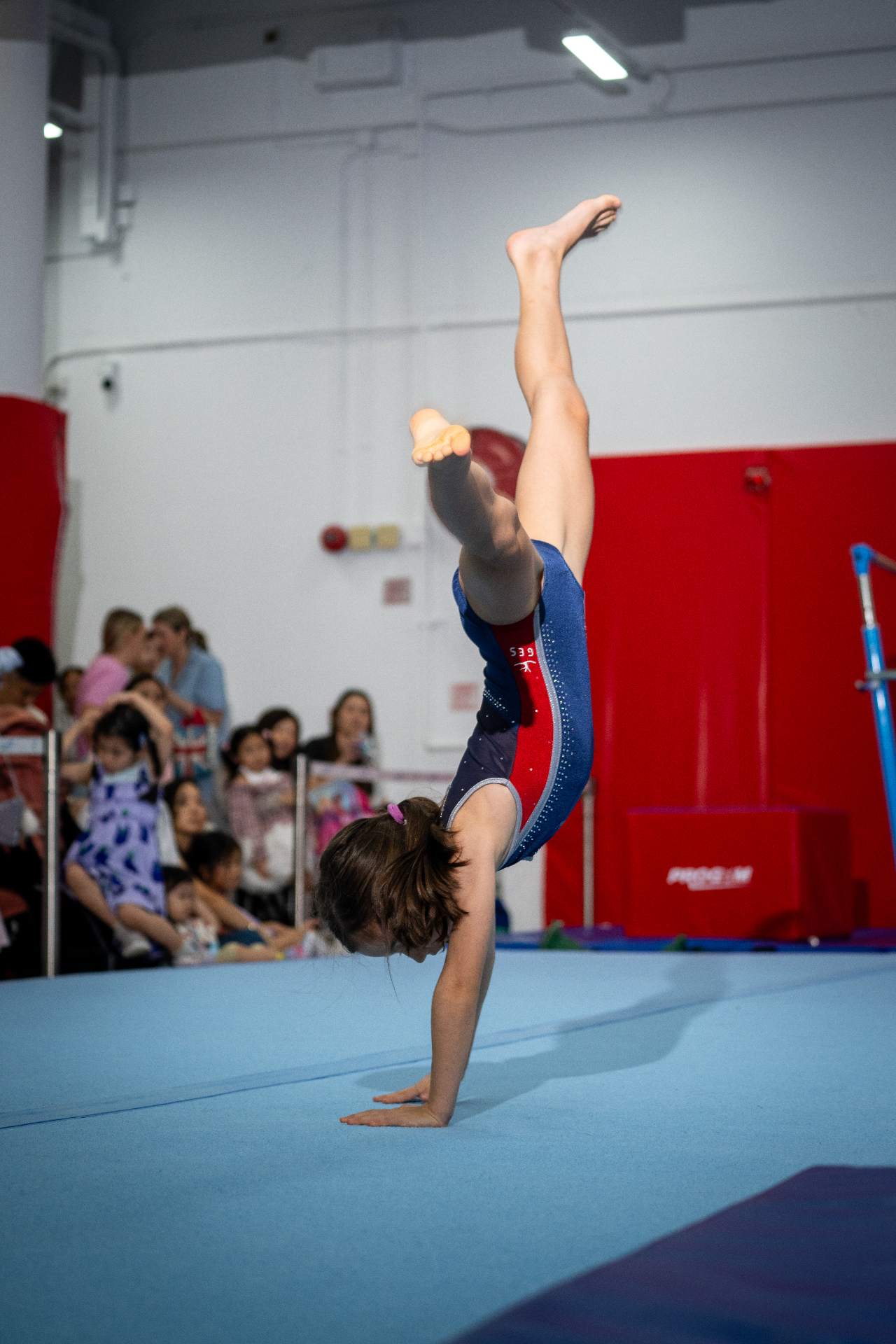
A gymnastics progress report is most useful when it explains what your child is practising, what has become more consistent, and what comes next. Instead of just focusing on level labels, ask the coach to translate them into clear observations about your child's skills and attitude. Real progress includes improved control and confidence, not just learning a new skill. The feedback helps you and the coach agree on a next step that truly fits your child's journey in the sport.
Separate a New Skill from Consistent Performance
One of the biggest hurdles for parents in understanding a gymnastics progress report is the difference between trying a skill and mastering it. A child might land their first cartwheel or hold a handstand for a second, but assessment looks for more. Coaches are evaluating the quality, control, and consistency of the movement.
In gymnastics, progress is about building a strong foundation. A report will often highlight how a child is refining their fundamental skills. For example, a beginner might be praised for developing better body awareness, while an intermediate gymnast’s feedback might focus on their improved technique and greater control on the apparatus. True mastery means a gymnast can perform a skill safely and correctly almost every time, which is a much bigger achievement than doing it once by chance.
Ask What the Level Labels Mean in This Programme
Terms like 'Beginner', 'Intermediate', and 'Advanced' are not standardised across all gymnastics schools in Hong Kong. Each programme has its own curriculum and criteria. At ProActiv Sports, our termly assessments are based on a clear skill ladder specific to our recreational gymnastics streams.
Here’s what our levels typically focus on:
- Beginner (ages 2-6): The priority is building a love for being active. Feedback will centre on developing fundamental movement, coordination, and confidence in a supportive environment.
- Intermediate (ages 6+): For gymnasts who have mastered the basics. Reports will comment on refining technique, building strength, and developing greater control across apparatus like the floor, beam, and bars.
- Advanced (ages 8+): For experienced gymnasts. Assessments look for technical excellence, precision, consistency, and the ability to perform more complex skills and routines.
When you get a report, ask the coach what a specific level means in practice. This context is essential for understanding where your child is and what they are working towards.
An Illustrative Guide to Assessment Feedback
To make sense of the feedback, it helps to connect the coach's comments to specific skill areas. The goal is to see progress in technique, strength, and confidence, not just tick off a list of tricks. This table gives examples of what progress can look like at different stages and helps you formulate a useful question for the coach.
| Skill Area | What Progress Can Look Like | A Good Question to Ask |
|---|---|---|
| Balance & Control | Moving from walking on a low beam with help to walking independently on a higher beam. | "What is the next step for improving their balance on the beam?" |
| Strength & Conditioning | Holding body weight in a support position on the bars for longer; completing more conditioning exercises without tiring. | "Are there any simple, fun activities we can do at home to support their strength development?" |
| Technique & Form | Pointing toes during a skill; keeping legs straight in a forward roll; demonstrating a more refined handstand shape. | "You mentioned their form has improved. Can you give me an example of what that looks like in class?" |
| Confidence & Attitude | Trying a new skill without hesitation; showing resilience after a fall; listening to and applying coach feedback. | "How have you seen their confidence change on the apparatus this term?" |
Read Feedback Alongside Effort and Enjoyment
A gymnastics assessment is a snapshot of technical ability, but it doesn't tell the whole story. The most important signs of a positive experience are your child’s effort in class and their enjoyment of the sport. A child who is enthusiastic, tries hard, and feels proud of their achievements is succeeding, regardless of what level they are in.
Notice the comments on the report that speak to attitude, such as "positive attitude towards learning," "increased confidence," or "shows discipline and resilience." These are valuable life skills that gymnastics helps to build. If your child is happy and engaged, they are in the right place to develop their physical skills at their own pace.
Agree the Next Step Without Comparing Classmates
It's natural to notice other children in the class, but comparing your child’s progress is rarely helpful. At ProActiv Sports, gymnasts progress between streams when they consistently demonstrate the required skills—not at fixed dates or based on age. Every child’s developmental path is unique.
Use the progress report to have a constructive conversation with the coach about what’s next for your child. The right next step might be to continue in their current level to build more consistency and confidence. For others, it might be moving to the next stream within our recreational gymnastics in Hong Kong programme. For experienced and dedicated gymnasts in our Advanced stream, the conversation may eventually turn towards the focus and commitment required for competitive gymnastics.
The goal is long-term development in a way that keeps your child motivated and thriving.
Your child's progress report is a fantastic tool for celebrating their hard work and planning for the future. By focusing on consistency, confidence, and their individual journey, you can be a supportive partner in their love for the sport.
Ready to see your child build confidence and skill? Check current options and enquire about our gymnastics programmes at ProGym Wan Chai or Cyberport.
Questions parents ask
Does a new skill mean a child should move up?
Not necessarily. Achieving a skill for the first time is a great milestone, but progression to the next level usually requires the ability to perform that skill and others with consistent control, good form, and safety. Coaches look for mastery of the current level's core skills before recommending a move.
What should parents ask at a progress review?
Instead of asking dozens of questions, try to focus on one or two that are most relevant to your child. Good questions include: "What is the main skill you'll be focusing on with my child next term?", "How can we best support their development at home?", or "What has been their biggest achievement this term, in your eyes?"
Are levels identical at every gymnastics club?
No. Gymnastics levels and their names (like Beginner, Intermediate, or Level 1, 2, 3) are specific to each club or organisation. The skills required to complete a level can vary significantly, so it’s always best to ask the coaches for details about their specific curriculum.