
5 Ways to Improve Hand-Eye Coordination in Toddlers
Hand-eye coordination in toddlers means using eyes to guide hands for tasks like grabbing toys or stacking blocks. This skill starts building around six months and gets stronger with practice.
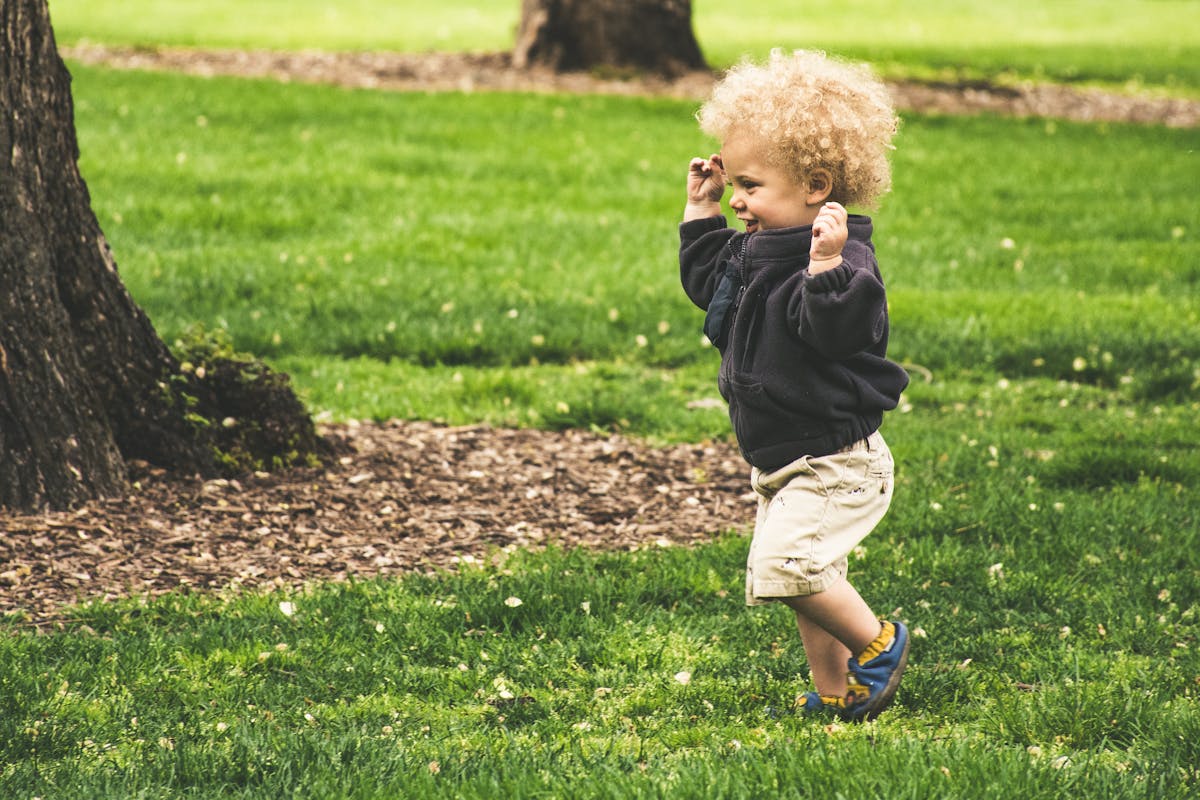
Hand-eye coordination in toddlers means using eyes to guide hands for tasks like grabbing toys or stacking blocks. This skill starts building around six months and gets stronger with practice. Many parents notice their little ones struggling at first, but regular activities make a big difference. For toddlers, improving hand-eye coordination helps with eating on their own, playing with friends, and even early learning steps.
If you’re looking for organised group settings, gymnastics classes offer a great start by focusing on balance and movement. Holiday options such as gymnastics camps provide fun ways to practice these skills in a supportive space. Also, multi-activity camps mix different games to keep things exciting while boosting coordination.
Join ProActiv Sports today to give your toddler a head start on hand-eye coordination skills.
Enroll in Structured Sports Programs
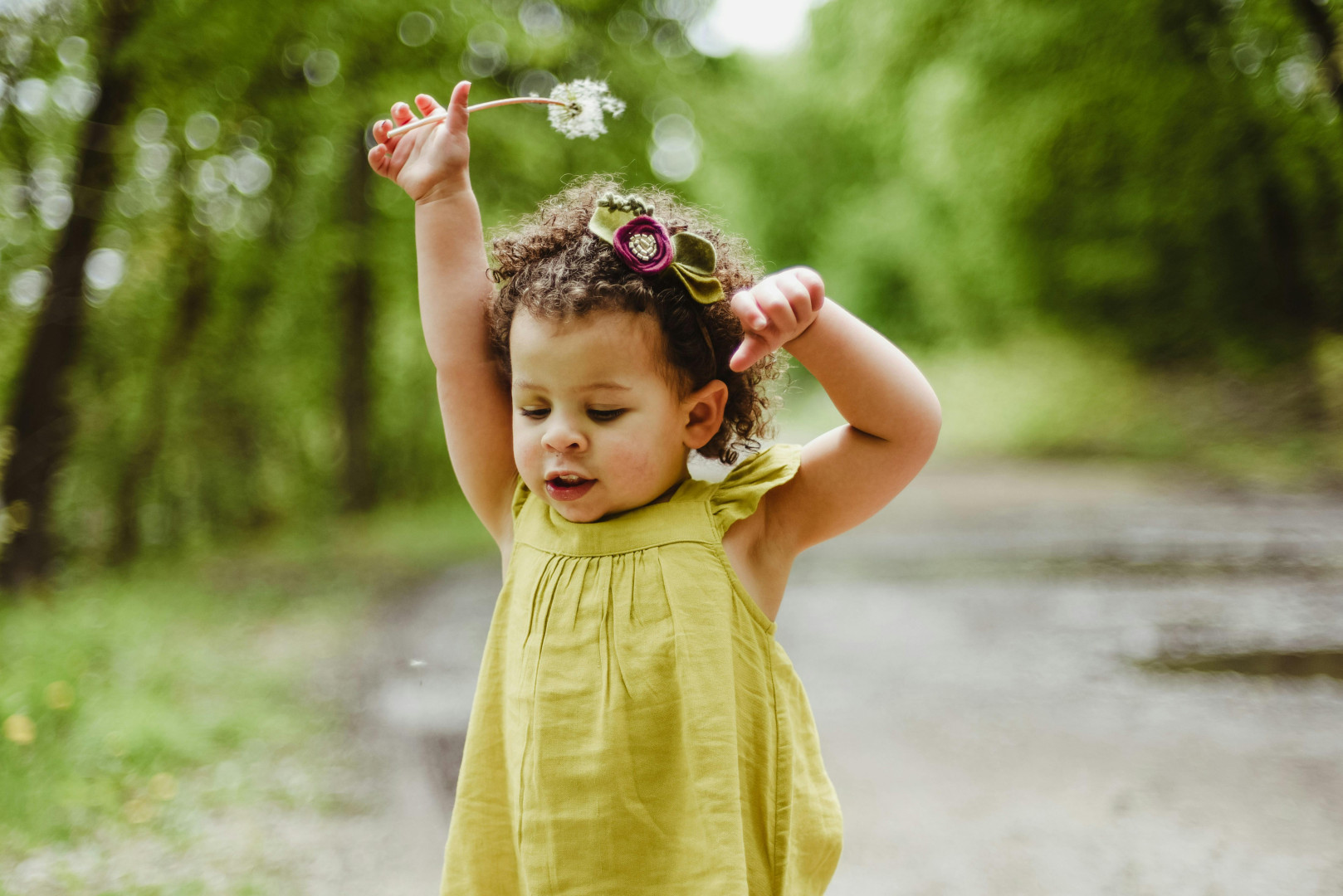
Structured sports programs stand out as a top choice for building hand-eye coordination in toddlers. These sessions guide young children through basic movements that link what they see with how they move. For example, simple rolls or gentle tosses help toddlers track objects and respond quickly.
In Hong Kong, ProActiv Sports leads with toddler-friendly classes that make learning feel like play. Their Gymtots program for ages one to three introduces safe equipment and group activities to strengthen these skills. Coaches focus on individual progress, so every child feels success. This approach not only sharpens coordination but also builds social bonds during sessions.
Many families choose these programs because they fit busy schedules and offer expert guidance. Toddlers learn to reach for bars or balance on mats, which directly ties into daily tasks like picking up food. Plus, the variety keeps kids engaged without boredom setting in. If your toddler enjoys active play, birthday parties with sports themes from ProActiv Sports add extra fun while practicing these abilities in a celebratory way.
ProActiv Sports | Top Structured Sports Programs in Hong Kong
About ProActiv Sports
Hong Kong parents face lots of choices for summer activities, from public parks to club programs. ProActiv Sports rises above as the best for blending fun with real growth. Started in 2011, we’ve become a go-to spot for kids’ sports in Hong Kong, with safe spots where children build skills and shine. Our holiday activity camps, aimed at kids 3 to 14, mix gymnastics flips, team games, and drills to spark confidence and sharpen abilities.
What makes ProActiv Sports special?
We keep groups at low coach-to-kids ratios for close guidance. Sessions happen at our Wan Chai gym or our brand new ProGym Cyberport, with 5000 square feet of top-tier equipment. Flexible timings cover weekdays and weekends, fitting family routines. Trial classes are offered for only $275. Recent 2025 data shows 70-85% of kids in sports camps gain more confidence.
Standout Features and Benefits:
- Sparks confidence with goal-setting games, where kids conquer challenges like relays or balances, leading to proud moments.
- Hones skills in coordination and strength through targeted drills, helping with sports and everyday moves like climbing or running.
- Grows social ties in team setups, boosting empathy and friendships that last beyond summer.
- Promotes health with active play, cutting screen time and building habits for stronger bodies.
- Led by trained pros with years in coaching, keeping things safe and adapted for each child’s level.
Our Core Services at a Glance:
- Structured Sports Programs: Week-long adventures in gymnastics and multi-activity, focusing on fun skill boosts.
- Gymnastics Programs: Year-round classes for all ages, from beginners to advanced,
- Birthday Parties: Sporty themes with games and activities in our gyms for memorable fun.
In Hong Kong’s busy urban setup, with limited outdoor areas and humid summers, our indoor camps provide reliable spots for kids to stay active. While places like Causeway Bay offer basics, ProActiv’s mix of confidence-building and skill-focused sessions makes us unique.
Ready to give your child an edge? Getting Started with ProActiv Holiday Camps
Ready to enroll? Choose a camp that suits your child’s age and favorite activities. Wear active clothes, sneakers, and pack water plus a snack. Since camps run during breaks, aim for full attendance to maximize gains. In Hong Kong, humid weather and crowds can tire kids, so select close locations. We suggest beginning at ProActiv Sports.
Contact Details:
ProGym Cyberport
– Contact number: +85269452360
– Cyberport Address: Shop 312, Level 3, Arcade at Cyberport, 100 Cyberport Rd, Pok Fu Lam
Progym Wan Chai
– Contact number: +85263550715
– Wan Chai Address: 256 Hennessy Road, 15/F The Hennessy, Wan Chai (Entrance via Johnston Road)
Sign up with ProActiv Sports now for programs that enhance your toddler’s hand-eye coordination.
Play Catching and Throwing Games
Catching and throwing games rank high for quick gains in hand-eye coordination for toddlers. Start with soft items like scarves that float slowly, giving your child time to watch and grab. As they get better, switch to lightweight balls for more challenges. Sit on the floor facing each other and roll the ball gently. This builds tracking skills without overwhelming them. Outdoors, use bigger spaces for light tosses, helping toddlers judge distance.
Keep sessions short, around five to ten minutes, to hold their attention. Praise every try to boost confidence. Some toddlers might miss often at first, but practice turns that around. Mix in colors or sounds on the items to add interest. If group play appeals, consider linking this to broader activities. For instance, multi-activity camps may include similar games that expand on home practice.
Use Puzzles and Building Blocks
Puzzles and building blocks give toddlers hands-on practice for hand-eye coordination. Begin with large, chunky pieces that fit easily together. Your child learns to match shapes by sight and touch, guiding their hands precisely. Stacking blocks teaches balance while they aim one on top of another. Watch as they concentrate, adjusting grips based on what they see.
Rotate game types to keep it fresh, like wooden blocks one day and foam puzzles the next. This variety strengthens different muscles and visual cues. Toddlers often repeat actions, which reinforces the skill naturally. If delays show, these tools help catch up gently. Gymnastics classes could complement this by adding movement to static play.
Try Threading and Lacing Activities
Threading and lacing activities sharpen hand-eye coordination in toddlers through focused tasks. Use big beads and thick strings for easy handling. Guide your child to push the string through holes, aligning eyes with finger movements. Start slow, with just a few beads, then build up as they master it.
Lacing cards with pictures add fun, letting toddlers follow paths. This improves pinpoint accuracy and patience. Clean up becomes part of the routine, teaching responsibility too. Some parents find homemade versions work well, using pasta or cardboard. For social twists, kid parties with craft elements might include similar setups.
Incorporate Water Play and Sensory Bins
Water play and sensory bins engage toddlers’ senses while honing hand-eye coordination. Fill a shallow tub with water and add floating toys like cups or balls. Scooping and pouring require watching the water level and aiming hands right. Add colors with safe dyes for extra visual tracking.
Sensory bins with rice or beans let them dig and sort, guiding fingers to small items. Use tools like tongs for added challenges. These setups encourage free exploration, building skills at their pace. Clean, non-toxic materials keep it safe. Gymnastics camps for kids sometimes weave in sensory elements to round out development.
Why Hand-Eye Coordination Matters for Toddlers
Hand-eye coordination lays the foundation for many everyday skills in toddlers. It helps them feed themselves, turn book pages, and play with toys independently. Strong coordination links to better focus and problem-solving as they grow. Without it, simple actions become frustrating.
Many toddlers show progress in school readiness when coordination improves. It aids in sports later on, like kicking a ball or riding a trike. Parents often see boosts in confidence too. This skill evolves with age, starting from basic reaches to complex tasks.
Signs Your Toddler Might Need Extra Help
Watch for clues that your toddler could use more hand-eye coordination support. Difficulty grabbing toys or dropping items often points to challenges. If they avoid games involving balls or struggle with self-feeding, take note. Clumsy movements or frustration during play are common signs.
Some toddlers tilt heads oddly when reaching or sit too close to objects. These might link to vision issues affecting coordination. Early checks with a doctor can clarify. Acting soon helps prevent bigger hurdles down the line.
Data Table: Activities and Their Benefits
| Activity Type | Key Skills Built | Best Age Range | Materials Needed |
| Catching Games | Tracking moving objects | 18-36 months | Soft balls, scarves |
| Puzzles | Shape matching and precision | 12-30 months | Large puzzles, blocks |
| Threading | Fine finger control | 24-36 months | Beads, strings |
| Water Play | Scooping and aiming | 15-36 months | Tubs, cups |
| Structured Programs | Group coordination practice | 12-36 months | None (enroll in classes) |
This table shows how different activities target hand-eye coordination in toddlers. Each one builds on visual cues and hand actions. Pick based on your child’s interests for best results.
Tips to Make Practice Fun and Effective
Make hand-eye coordination practice enjoyable for toddlers with these ideas. Vary activities daily to avoid routine. Join in the play to model actions and encourage tries. Use praise words like “great catch” to motivate.
Set up safe spaces free of distractions. Short bursts work better than long sessions. Track small wins, like better aim over time. If outdoors, natural light helps visual tracking. Combine with music for rhythm in movements.
FAQ
What age do toddlers start developing hand-eye coordination?
Hand-eye coordination begins in infancy with basic visual tracking and grasping, evolving into more refined actions as toddlers reach 12 months and beyond. By this stage, children often show improved ability to follow moving objects and coordinate reaches, which ties into overall fine motor growth. These skills build through everyday interactions, starting from following objects past the midline to purposeful hand movements.
How can I tell if my toddler’s hand-eye coordination is on track?
Observe if your toddler can track objects smoothly across their field of vision and make accurate grabs without excessive effort. Enjoyment in simple tasks like placing shapes or handling small items indicates typical progress in visual-motor integration. Consistent improvement in these areas suggests development aligns with age expectations, while persistent difficulties might warrant professional input.
Are there toys that specifically help with toddler hand-eye coordination?
Toys such as bead mazes and threading games promote precise finger control alongside visual focus, enhancing coordination through repetitive practice. Stacking toys encourage muscle control by requiring careful placement and balance. Ball drop games support these skills in engaging ways as well.
Can screen time affect hand-eye coordination in toddlers?
Excessive screen exposure may reduce opportunities for active physical practice, potentially impacting motor development including hand-eye coordination. Some studies show mixed outcomes, where interactive apps might aid digital coordination but limit real-world sensory experiences. Balancing screen use with hands-on activities helps maintain balanced growth.
What role do parents play in improving toddler hand-eye coordination?
Parents influence development by modeling movements and providing supportive environments for practice. Active participation in play fosters encouragement and helps shape habits that boost motor skills. Insights from research emphasize how parental involvement in daily routines strengthens a child’s progress in coordination tasks.