
Hong Kong · Programs
Our All-New Parkour Program: Move Without Limits
Build strength, agility and confidence through structured parkour training, obstacle challenges and progressive skill development.
Program Overview
Confidence through movement
Parkour helps children build confidence, motor skills and social skills while discovering the joy of movement. Classes are dynamic and playful, teaching kids how to overcome obstacles and use their environment as a tool for self-expression.
- Improve agility and balance through conditioning exercises
- Build strength and mobility — essential foundations for all physical activity
- Develop coordination and body awareness
Class details
- Ages8 – 12 years
- DaysTuesdays & Thursdays
- Time6:00pm – 7:00pm
- WhereProGym Cyberport
- Term DatesAug 25 – Dec 11, 2026
Skills
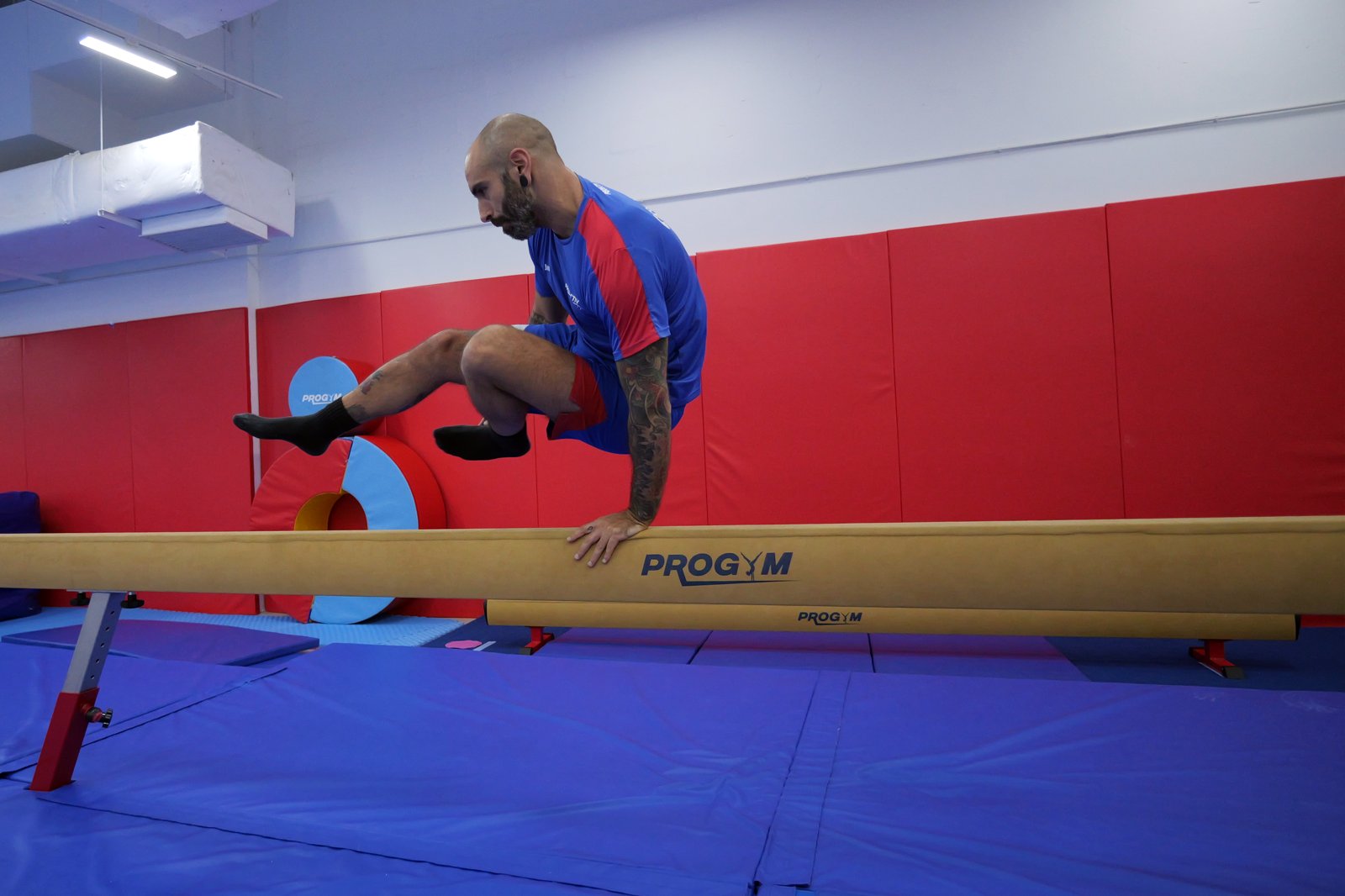
Fundamental parkour movements
Children are introduced to the core skills of the discipline — and they learn them through play, staying engaged, focused and creative while exploring freedom of movement.
Balance
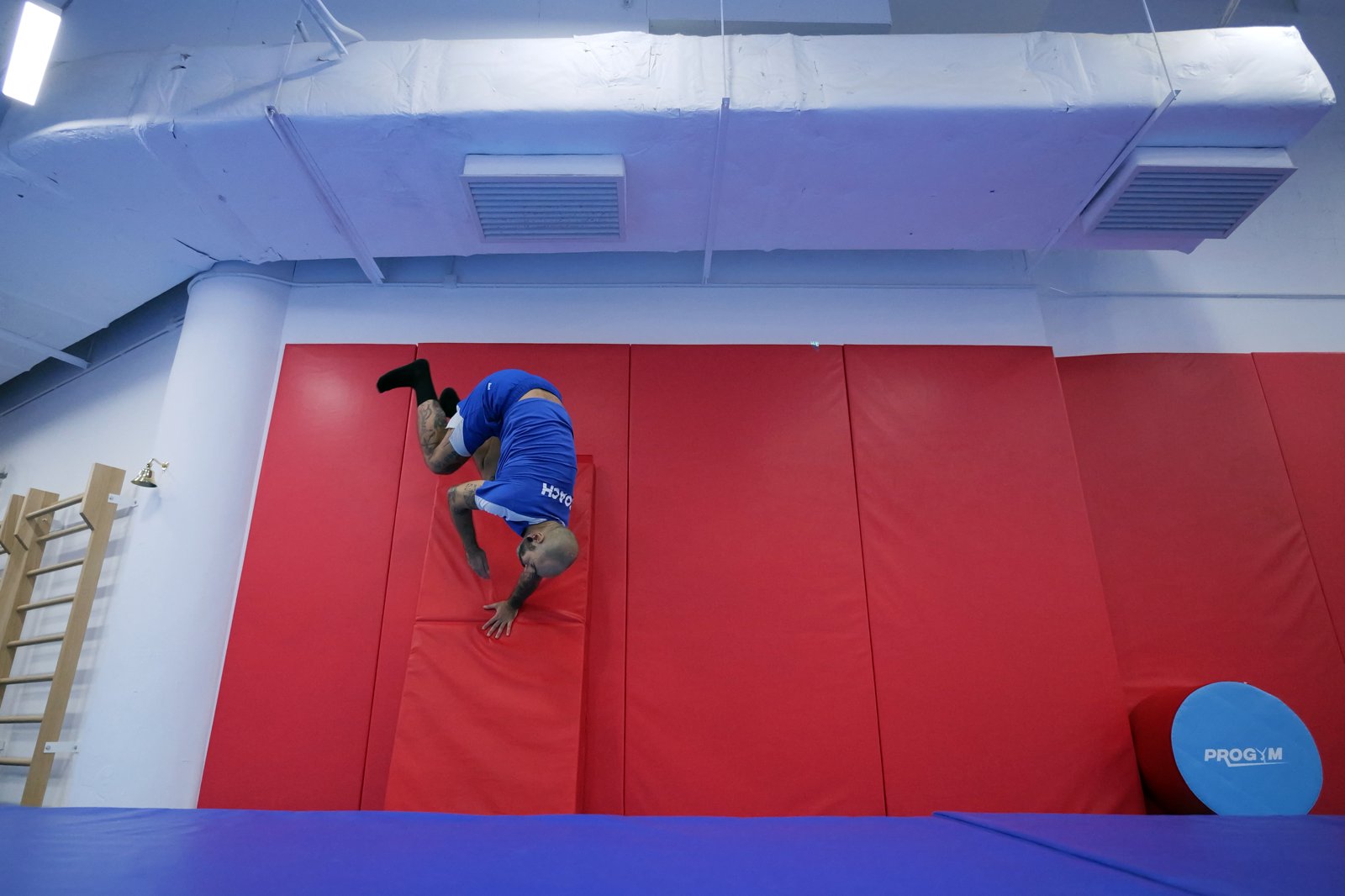
Breaking falls
Ground movement
Jumping & landing
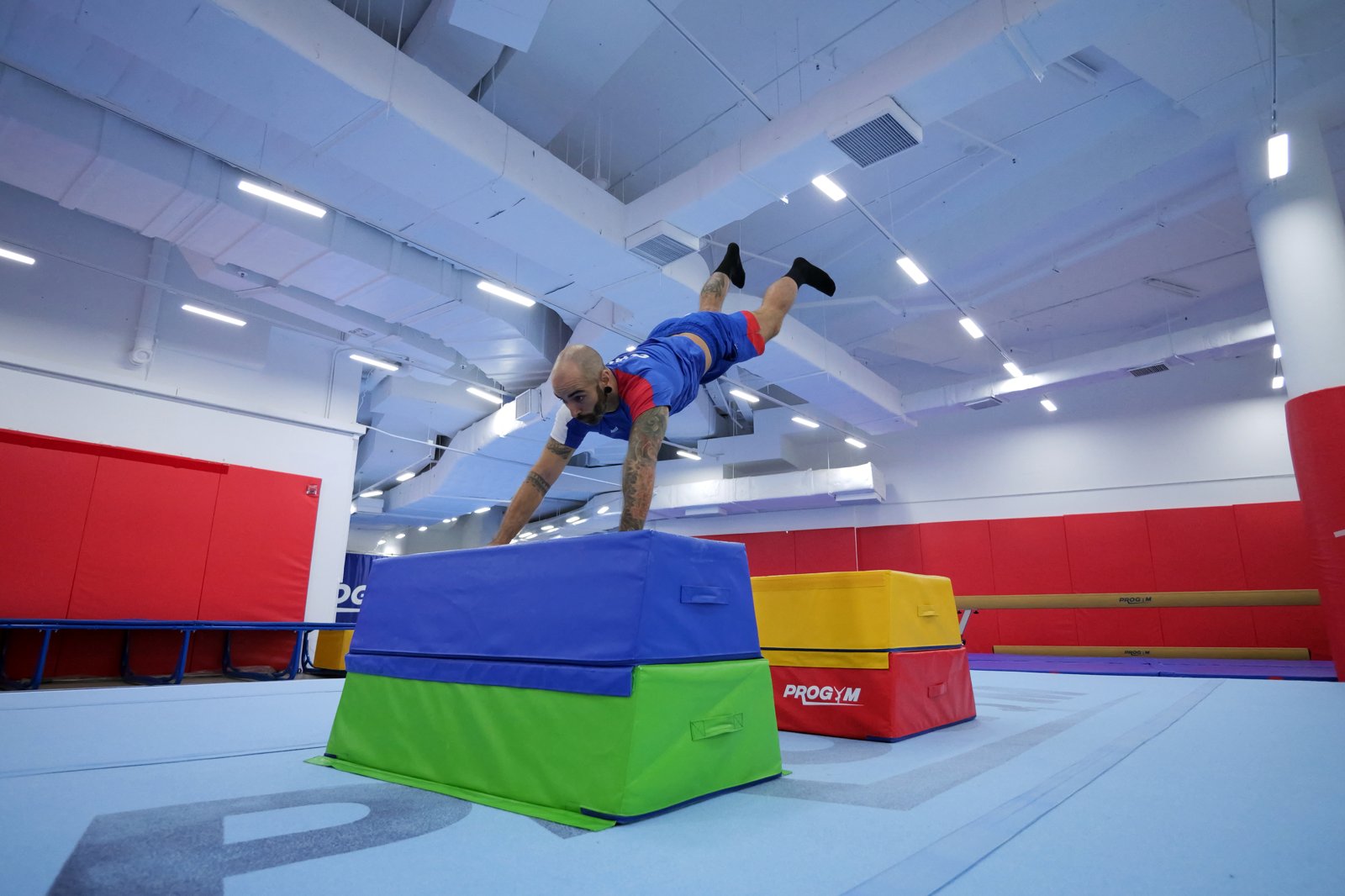
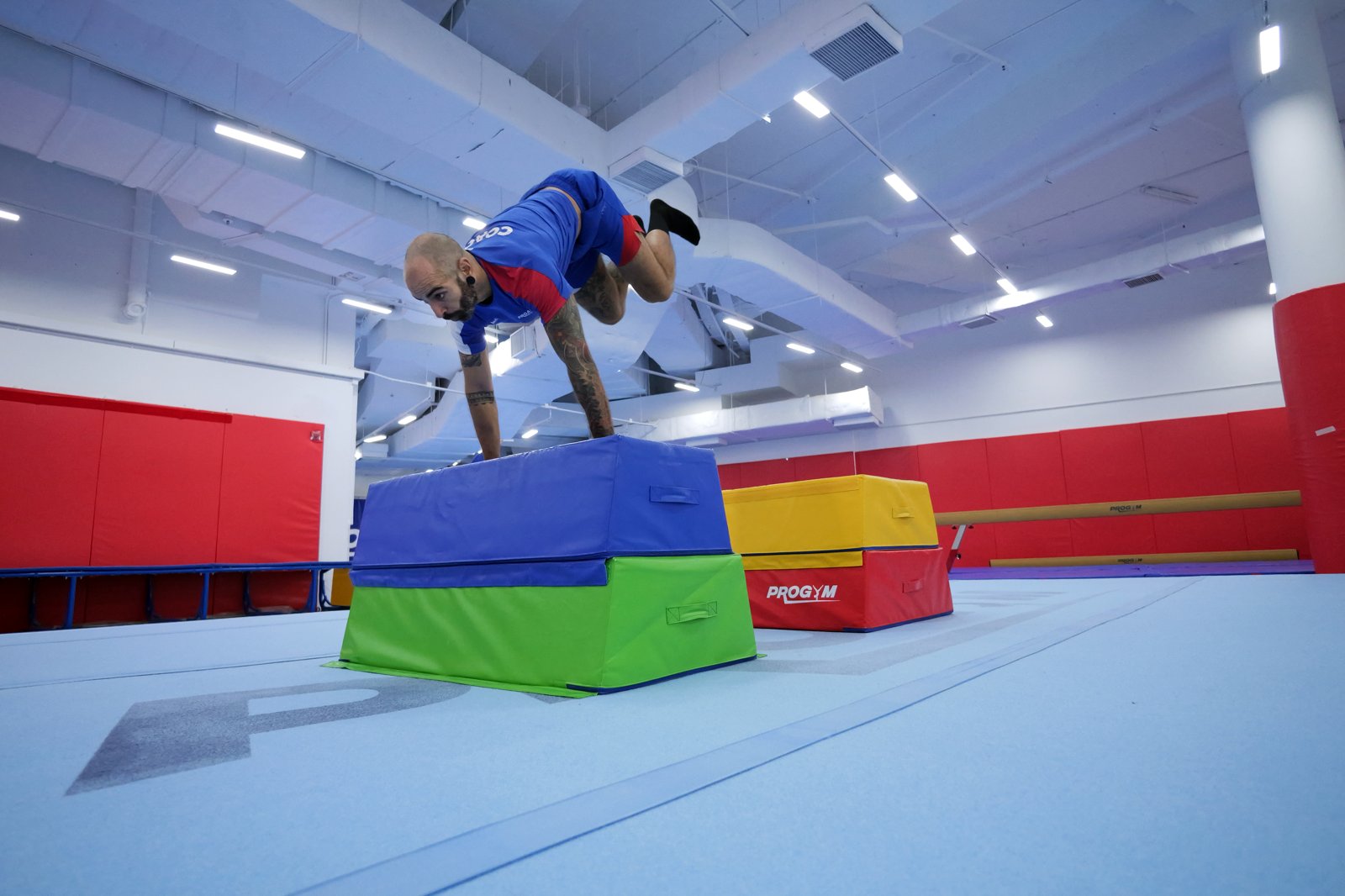
Vaulting
Bars & laches
Climbing
Safety First
Safety is always our top priority
- Learn to understand their body, limits and capabilities
- Practise proper warm-ups, conditioning and cool-downs
- Gain awareness of safe training environments and parkour philosophy
Parkour training actually makes kids safer
- They learn techniques like breaking falls to reduce risk
- They become stronger, more coordinated and more resilient
- What they learn in class prepares them for unexpected situations in everyday life
Gallery
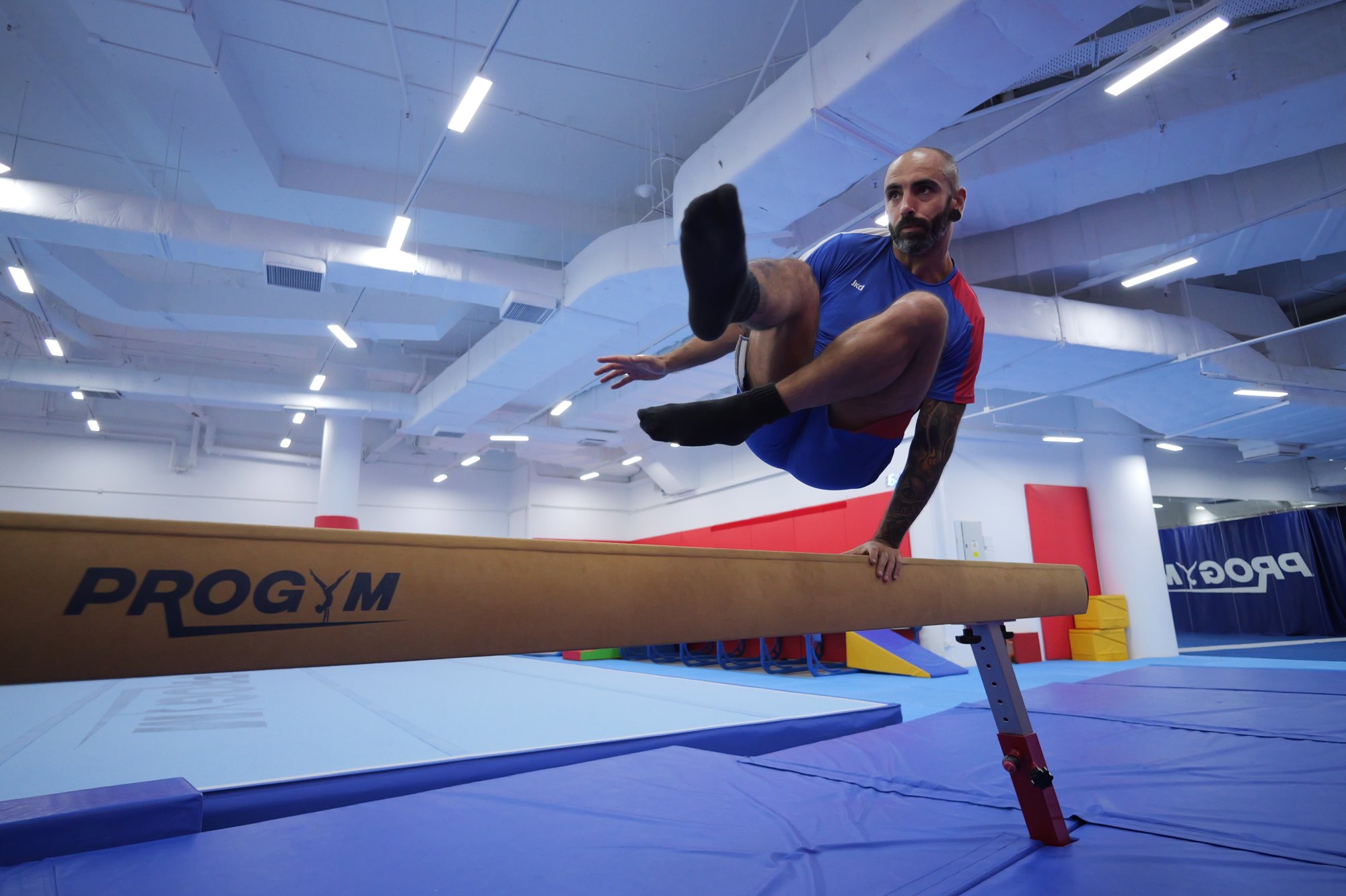
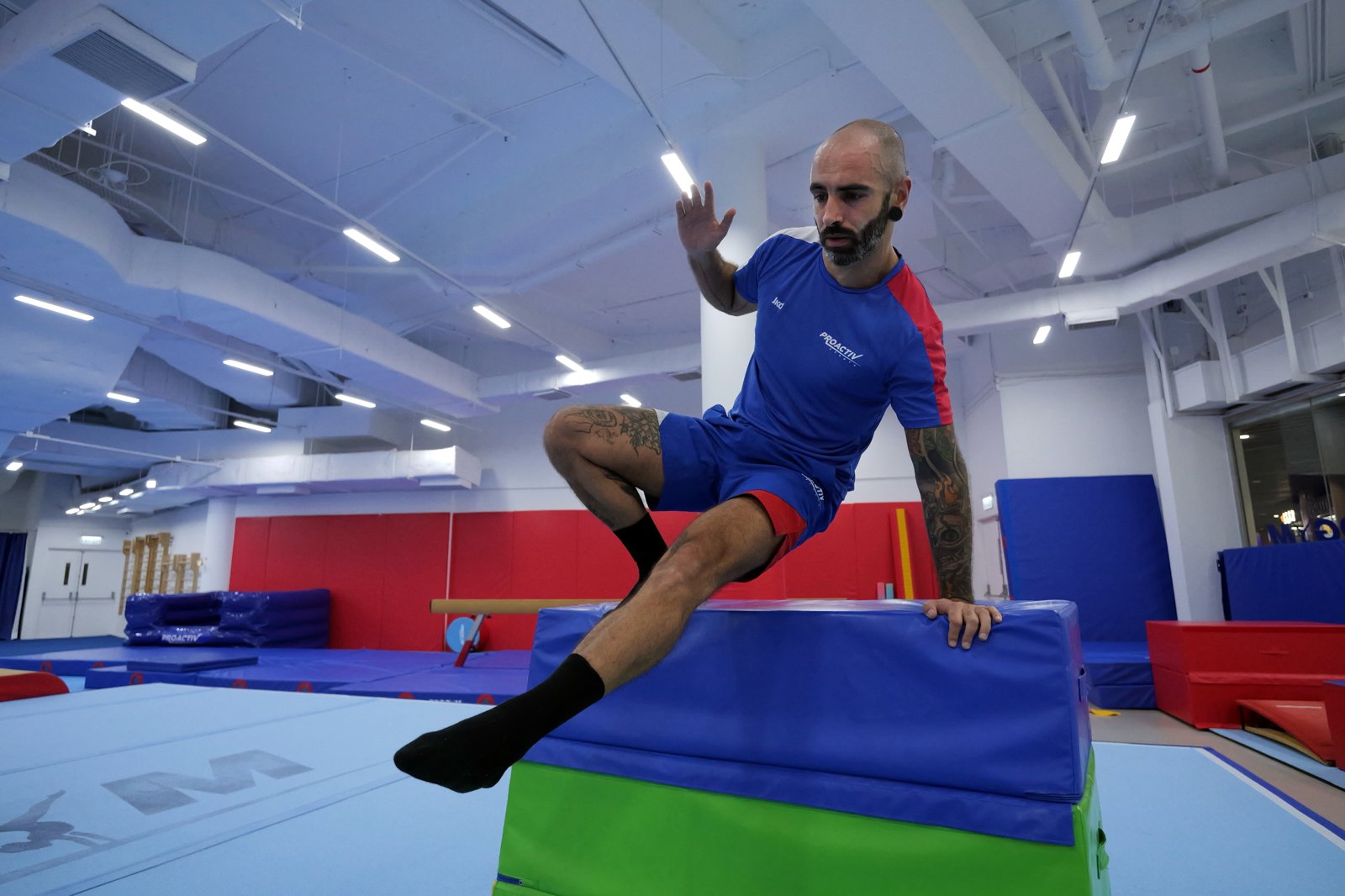
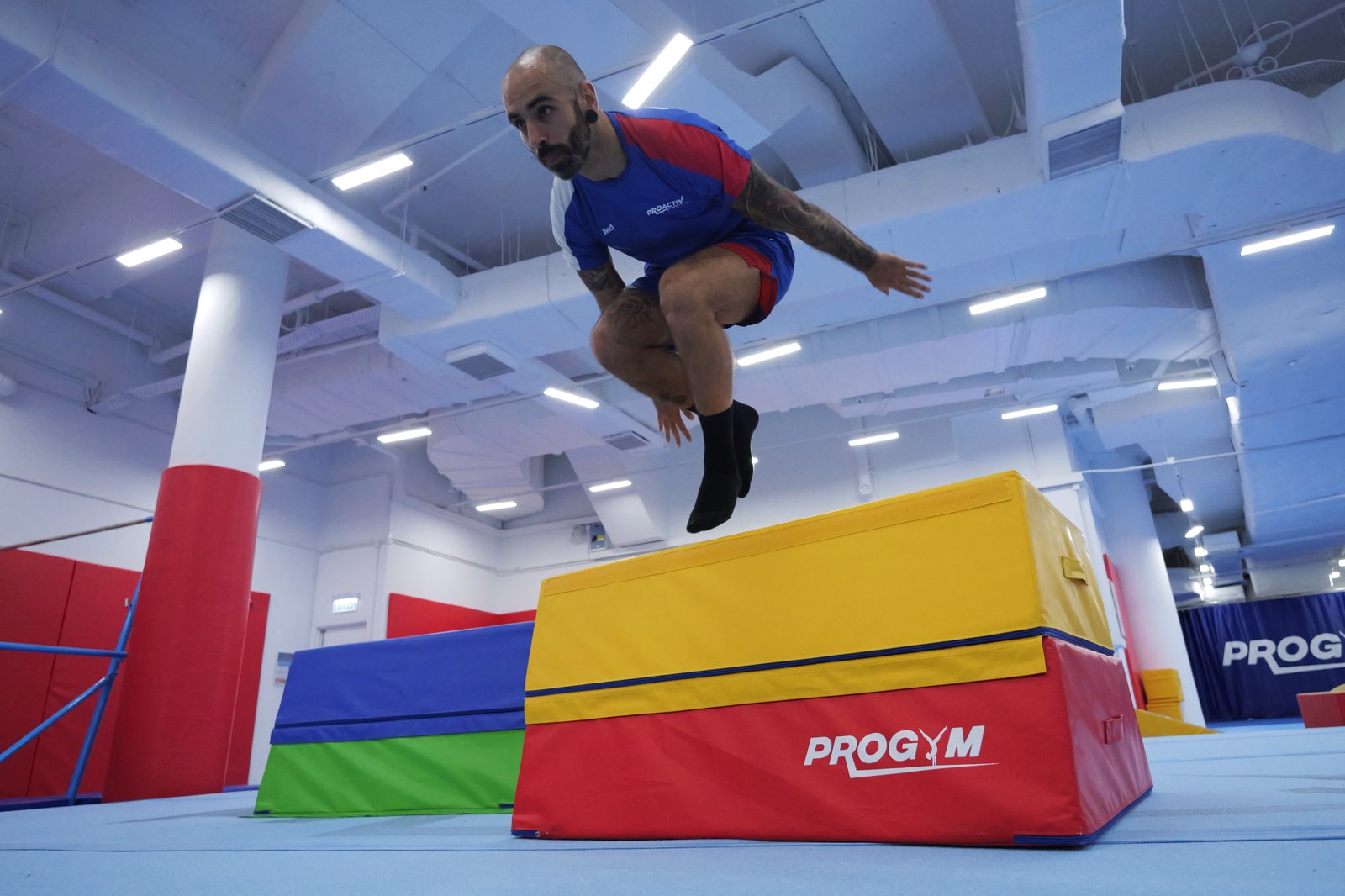
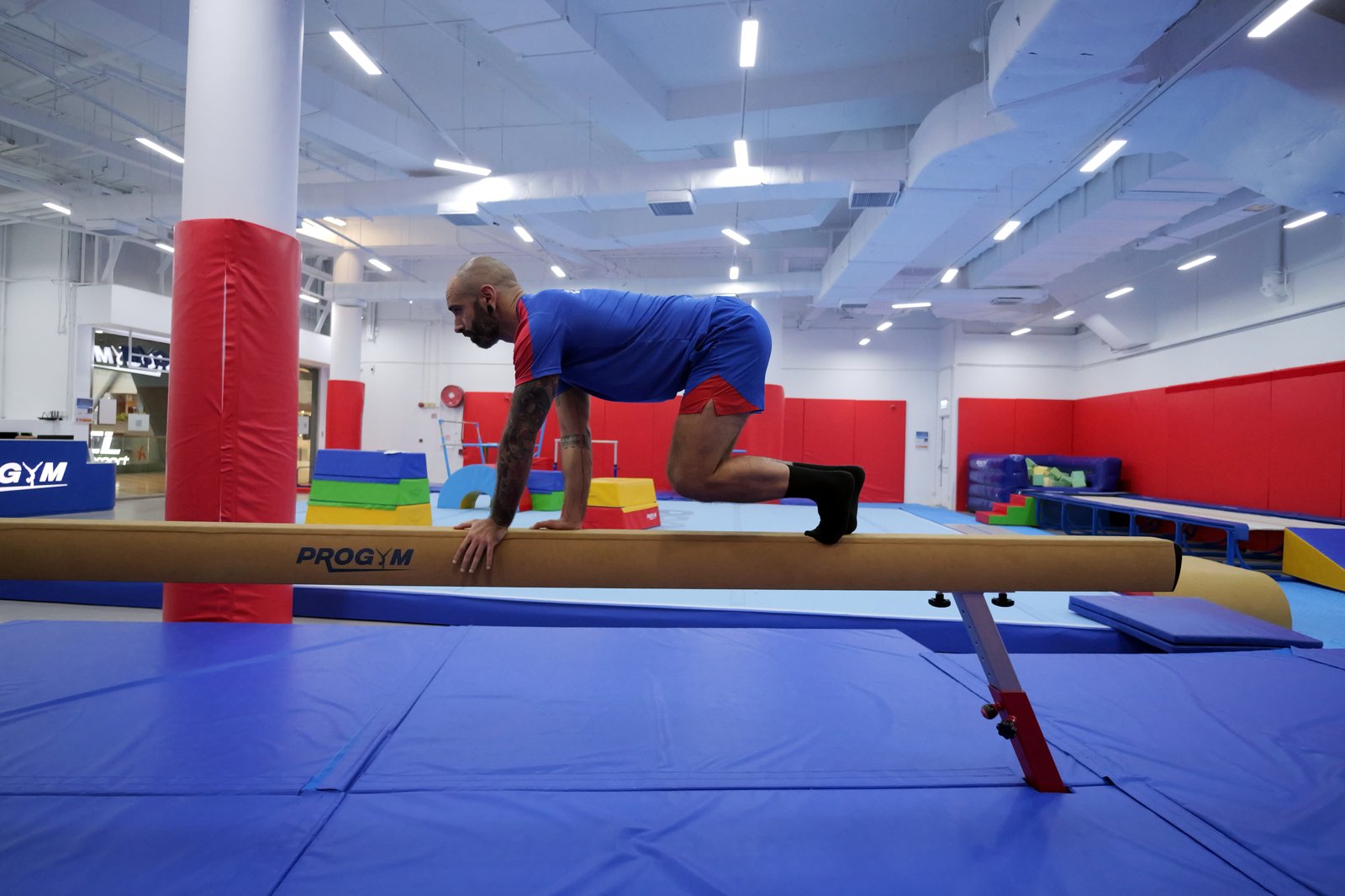
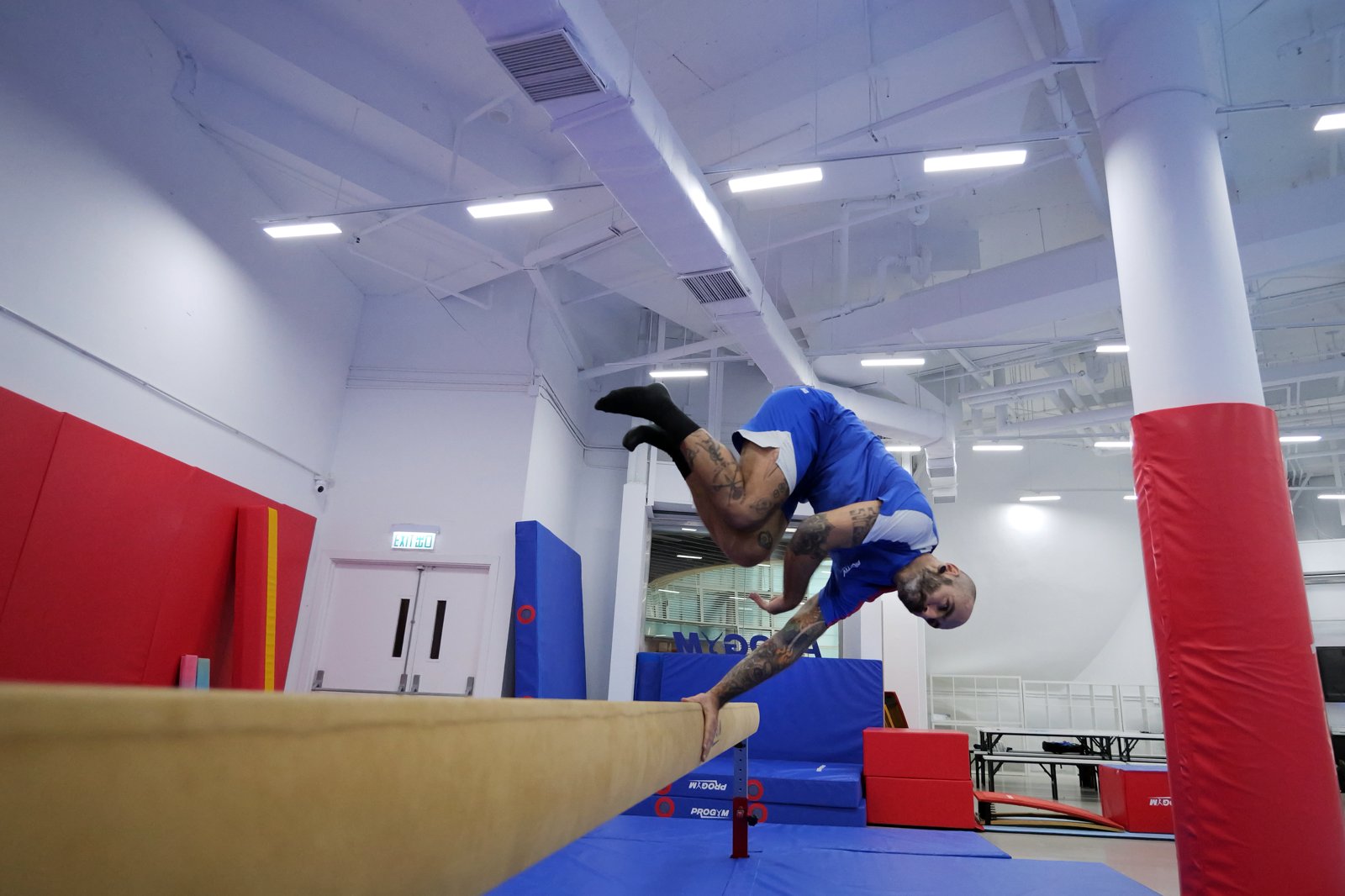
A look inside our parkour classes
Parkour FAQs
What is parkour?
Parkour began as a training method inspired by the French military's obstacle courses. At its core, it's about moving from point A to point B in the most efficient way possible — overcoming obstacles by jumping, climbing and passing through. Over time the discipline has evolved beyond pure efficiency to embrace creativity and self-expression, with practitioners adding flips and other dynamic movements. In short: parkour is about freedom of movement — building strength, agility and confidence while giving each individual the chance to express themselves through how they move.
Why parkour?
Parkour is more than just fun — it's a powerful way to build real-world strength and agility. It's functional fitness: it trains the body as one integrated whole, using natural movements that carry over into everyday life. It can be practised anywhere — gyms, playgrounds or outdoor spaces — and needs no special gear beyond comfortable clothing and a safe environment.
What are the values of parkour?
Leave No Trace — respect your environment and community; a good traceur leaves training spots as they found them, or cleaner. Have an Open Mind — parkour is as much mental as physical, about believing in possibility and embracing challenges. We Start Together, We Finish Together — no one is left behind; exercises aren't complete until everyone finishes. Be Strong to Be Useful — a mantra from Georges Hébert: strength isn't for showing off, it's for helping others and standing up when needed.
What's the minimum age to start?
Coach Alex has taught students from as young as 3 to over 70 — parkour truly is for all ages. In this first phase of classes we start at ages 8–12. If your child is keen to try, the best way to know if they're ready is to join a trial class, where the coach will assess readiness and ability to make sure training is safe, fun and appropriate.
Are there any fitness requirements?
No prior fitness level is required — your child can begin regardless of where they are in their movement journey. Parkour meets you where you are, progress is gradual, and the best way to get in shape for parkour is simply to start practising it.
Isn't parkour injury-prone and high impact?
Like any physical activity parkour carries some risk, but our training is designed to minimise injury and build resilience. We reinforce knowing your limits, training only when physically and mentally ready, and always checking the environment. Rolls and landing techniques teach athletes to absorb force efficiently, conditioning builds the muscles, tendons, ligaments and joints needed to handle bigger movements, and the coach adapts every progression to your child's ability. By respecting limits, training smart and learning proper technique, the chance of injury is very small — and they gain confidence, strength and freedom of movement.